The 5 E’s of Effective Content Writing

Content writing isn’t just about filling space with words—it’s about crafting experiences that stick, spark, and inspire. And at the heart of every impactful piece lies a simple yet powerful framework: the 5 E’s of Effective Content Writing. These aren’t just buzzwords—they’re the blueprint for creating content that connects, converts, and lingers in the mind long after the screen goes dark. Before delving into the 5 E’s you need to get a clear picture about what effective content writing is all about. What is Effective Content Writing Effective content writing is about creating content that captures attention, delivers value, and inspires action. It’s more than just putting words on a page; it’s about crafting a message that resonates with your audience and achieves a specific purpose. Understand Your Audience At its core, effective writing starts with understanding your audience. Identify what they need, care about, and how they consume information. Core Elements of Effective Writing: Clarity: Ensure your content is easy to understand and concise. Relevance: Address topics that matter to your audience and align with their interests. Creativity: Use unique ideas, storytelling, or analogies to make your content stand out. Structure for Impact: Start with a strong opening to grab attention. Provide compelling insights to maintain interest throughout. End with a clear call-to-action that guides the reader to take the next step. Optimized for Visibility: Incorporate keywords naturally to improve search rankings. Ensure optimization does not compromise a humanized tone. Balancing Key Elements: Combine valuable information with relatability. Use storytelling, analogies, or humor to keep readers engaged and invested. Ultimately, effective writing builds trust, establishes authority, and drives measurable results, whether it’s higher engagement, increased conversions, or a stronger connection with your audience. It’s the perfect blend of art and strategy, designed to leave a lasting impact. 5 E’s of Effective Content Writing Engage with Excellence Ever notice how some words grab you by the collar and pull you into their world? That’s the magic of engaging content. The first few seconds are a make-or-break moment, so don’t waste them. Start with a line that tugs at curiosity, challenges assumptions, or speaks to a universal truth. Consider this: “Your audience isn’t scrolling—they’re sprinting. If your content doesn’t stop them mid-stride, it’s already lost the race.” The best engaging content doesn’t just demand attention—it earns it. Use sharp insights, relatable anecdotes, and bold claims that make readers think, “I need to know more.” Educate Effortlessly We live in a world of information overload. People aren’t just searching for content—they’re searching for clarity. The hallmark of the 5 E’s of Effective Content Writing is the ability to simplify the complex without diluting its meaning. Think of yourself as a guide, not just a writer. Use analogies, step-by-step instructions, or real-world examples to turn abstract ideas into aha moments. For instance: “Writing a headline is like crafting a first impression—it’s not just what you say, but how you say it that leaves an impact.” Educational content doesn’t just inform—it empowers. When your audience walks away feeling smarter, they’ll come back for more. Entertain with Elegance Let’s face it—nobody wants to read boring content. But entertainment doesn’t have to mean over-the-top antics or endless jokes. It’s about weaving in elements that surprise, delight, or intrigue. Imagine saying: “SEO isn’t rocket science. Actually, scratch that—it might be harder, because at least rockets follow predictable laws!” A touch of humor, a clever metaphor, or a story that makes readers nod in recognition can transform dry information into memorable moments. The trick is balance: entertain without distracting, charm without overshadowing your core message. Empathize to Elevate Here’s the truth: your readers don’t care about what you write—until they see how it’s relevant to them. Empathy is the soul of the 5 E’s of Effective Content Writing. It’s the art of stepping into your audience’s shoes and writing with their challenges, goals, and emotions in mind. Ask yourself: What keeps your readers awake at night? What solutions are they searching for? Speak directly to their struggles: “Feeling stuck staring at a blank screen, wondering if the right words will ever come? You’re not alone—and yes, it happens to the best of us.” Empathy builds trust, and trust transforms casual readers into loyal followers. Effectiveness is Everything Let’s be honest—content that doesn’t drive action is just noise. The final “E” is about ensuring your words serve a purpose, whether it’s to educate, inspire, or convert. Every piece of effective content has three key ingredients: Clarity: Readers shouldn’t wonder what to do next. Structure: Ideas should flow naturally from start to finish. A Strong CTA: Lead readers toward the next step with confidence. For example: “Ready to better your writing? Let’s connect and turn your ideas into words that work.” Effectiveness isn’t about pushing; it’s about guiding. When your content delivers value and direction, it becomes a powerful tool for change. Why the 5 E’s of Content Writing Matter In a sea of sameness, the 5 E’s of Effective Content Writing are your life raft. They transform words into experiences, making your content more than just readable—it becomes irresistible. These principles aren’t just for blog writers or marketers—they’re for anyone who wants to create content that resonates, inspires, and leaves an impact. By engaging, educating, entertaining, empathizing, and ensuring effectiveness, you set yourself apart as a writer who doesn’t just fill pages but transforms lives. Putting the 5 E’s into Practice Content writing, at its core, is about connection. Every word is an opportunity to reach out, spark curiosity, and provide value. So next time you sit down to write, ask yourself: Is this engaging enough to stop someone mid-scroll? Does it educate in a way that feels fresh and actionable? Is it entertaining without feeling forced? Am I empathizing with my audience’s needs and concerns? Does it inspire action and deliver on its promise? When these questions guide your writing process, the results are undeniable. To Wrap Up The 5 E’s of Effective Content Writing aren’t just
5 Writing Challenges I’ve Conquered and What They Taught Me
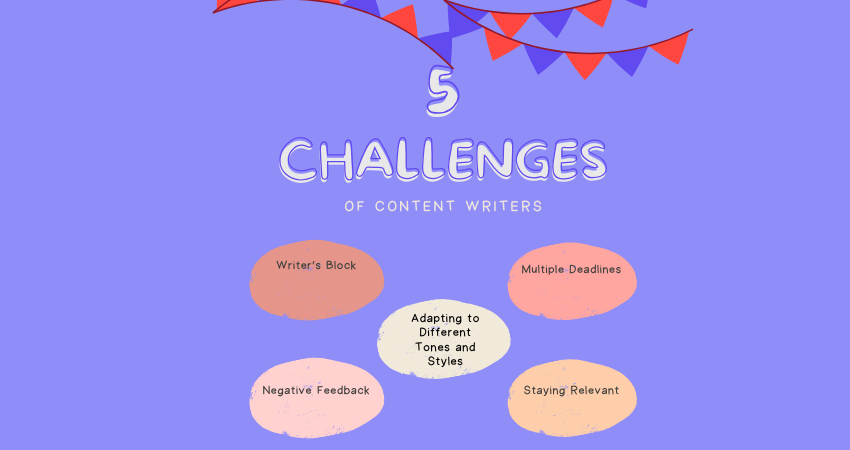
Writing is a journey filled with twists, turns, and the occasional roadblock. Over the years, I’ve faced challenges that tested my skills, pushed my limits, and taught me lessons I never expected. From battling writer’s block to juggling multiple deadlines, each hurdle shaped me into the writer I am today. In this blog, I’ll share five key challenges I’ve conquered and the invaluable insights they’ve given me—lessons that are just as relevant for aspiring writers, seasoned professionals, and businesses seeking to collaborate with experienced content creators. Let’s dive in! 1. Writer’s Block: The Unwelcome Visitor The Challenge There was a time when staring at a blank screen for hours felt like a routine. Writer’s block wasn’t just a phase; it was a frequent, unwelcome visitor. Deadlines loomed, and inspiration was nowhere to be found. What I Learned Writer’s block taught me the importance of creating a process rather than waiting for inspiration. Now, I swear by structured brainstorming and outlines. I dedicate time to jotting down all my ideas, even the terrible ones, knowing that gold often hides in a pile of rubble. Takeaway If you’re stuck, shift your environment or method. Walk away for a breather or free-write without judgment. Don’t wait for creativity to strike—build a system that invites it in. 2. The Overwhelm of Multiple Deadlines The Challenge Balancing multiple deadlines for different clients with unique requirements felt like juggling flaming torches. There was a time I missed a deadline because I miscalculated the time needed for a project. That sinking feeling stayed with me for days. What I Learned Time management is everything. I embraced tools like Trello and Google Calendar to organize tasks, set realistic deadlines, and allocate buffer time for unforeseen delays. I also learned to prioritize and say “no” when necessary—quality over quantity. Takeaway Efficiency doesn’t mean speed; it means clarity. Break down your work into bite-sized tasks and use tools to track your progress. Small business owners, this applies to you too—don’t overcommit; strategize your priorities. 3. Adapting to Different Tones and Styles The Challenge One day, I’d be writing for a luxury lifestyle brand, and the next, I’d be crafting technical content for a cybersecurity blog. Switching gears was exhausting, and I often second-guessed whether my tone matched the client’s brand voice. What I Learned Versatility is a writer’s superpower, but it doesn’t happen overnight. I began studying my clients’ existing content, researching their audiences, and creating a checklist for tone and style. Eventually, I became a chameleon, adapting my voice while staying authentic. Takeaway Understand your audience and their expectations. Aspiring writers, practice by mimicking different writing styles. Seasoned writers, keep refining your ability to adapt—it’s what makes you indispensable to clients. 4. Navigating Negative Feedback The Challenge Early in my career, I received scathing feedback on a project I had poured my heart into. It wasn’t just constructive criticism; it felt personal. My confidence plummeted, and I questioned my abilities. What I Learned Criticism, no matter how harsh, is an opportunity to grow. I learned to separate my work from my worth and view feedback as a gift. Now, I actively seek feedback, using it to sharpen my skills and build stronger client relationships. Takeaway Feedback is a mirror, not a verdict. Small business owners, listen to your audience. Writers, embrace feedback as a chance to improve—it’s not about you; it’s about delivering value. 5. Staying Relevant in a Changing Landscape The Challenge The writing world is in constant flux. SEO algorithms evolve, AI tools reshape content creation, and audience preferences shift. Keeping up felt like running a race with no finish line. What I Learned Staying relevant means being a lifelong learner. I started dedicating time to upskilling—whether it’s understanding new SEO strategies or exploring AI writing tools. The key is to embrace change rather than fear it. Takeaway Stay curious. Small business owners, follow trends in your industry to keep your content fresh. Writers, invest in learning—it’s the best way to future-proof your career. How These Challenges Made Me Better Looking back, these challenges were less about obstacles and more about growth. They forced me to adapt, refine, and improve. Each challenge taught me resilience and equipped me with strategies to not just survive but thrive in the ever-demanding world of writing. For business owners, this journey underscores the value of hiring writers who’ve been through the trenches and understand the nuances of crafting content that resonates. For aspiring writers, know that every struggle is a stepping stone. And for seasoned pros, remember—there’s always room to grow. Turning Challenges into Strengths The next time you face a writing challenge, don’t see it as a roadblock. See it as a chapter in your growth story. Whether it’s writer’s block, feedback, or adapting to a new trend, every challenge is a chance to refine your craft. What challenges have you faced in your writing journey? Let’s share, learn, and grow together. Looking for a content writer who’s mastered the art of overcoming challenges to deliver impactful, tailored content? Let’s work together to create content that resonates with your audience and drives results. Reach out today to discuss your project and see how my expertise can help your business shine.
Top 6 AI Content Writing Tools for 2025 to Boost Efficiency and Creativity

As a content writer, I understand the daily challenges we face: writer’s block, pressure to create high-quality, SEO-optimized content, and the stress of managing multiple deadlines. Sometimes, it feels like there aren’t enough hours in the day to do it all. But with 2025 comes a new wave of content writing tools designed to make our lives easier. These aren’t just updates to old tools; they’re groundbreaking innovations that will change the way we write, research, and manage content. If you’ve ever wished for an assistant that could help you brainstorm ideas, optimize your SEO, or even suggest the perfect emotional trigger words to captivate your audience, these tools are the answer. In fact, studies show that content writers who leverage AI-powered tools experience a 30-50% boost in productivity. Let’s dive into these top six AI content writing tools for 2025 that will revolutionize your workflow. 6 AI-Powered Content Writing Tools For You to Explore In 2025, AI new content writing tools are reshaping the way we work, alongside existing technologies that continue to streamline our process. These advanced tools are designed to tackle common challenges, like overcoming writer’s block, optimizing content for search engines, and managing multiple projects efficiently. By leveraging these content writing tools, writers can transform their workflow, boost productivity, and focus on crafting engaging and impactful content. 1. ChatGPT How It Helps: ChatGPT, developed by OpenAI, has become an essential tool for content creators. It assists with brainstorming, writing drafts, and even refining content to match the desired tone and style. The latest 2025 version includes enhanced features for real-time collaboration and more accurate content generation. Pain Point Addressed: Writer’s block and lack of inspiration are common struggles. ChatGPT can generate content ideas and provide instant feedback, making the writing process smoother and faster. Statistics: With over 10 million daily users, ChatGPT has become a go-to tool for content creators, with many reporting a 40% increase in productivity. 2. NeuroFlash AI How It Helps: NeuroFlash AI isn’t your typical content writing tool. It leverages neuromarketing techniques to analyze the psychological impact of words and phrases. Whether you’re writing a call to action or an emotional story, NeuroFlash ensures your content connects with readers on a deep, subconscious level. Pain Point Addressed: Ever struggled to write persuasive content that truly converts? NeuroFlash uses psychological data to guide your writing, making your message more compelling and effective. Statistics: According to initial studies, content optimized with NeuroFlash has shown a 20% increase in engagement rates compared to traditional copy. Marketers are already seeing significant improvements in their conversion metrics. 3. INK for All 3.0 How It Helps: INK’s latest version, 3.0, is more than just an SEO tool. It offers predictive performance analytics, allowing writers to see how their content will rank and perform before hitting publish. It’s like having an SEO expert right by your side, offering real-time insights as you write. Pain Point Addressed: SEO can feel like a guessing game, but INK gives you a clear performance score, helping you craft content that ranks and resonates. You’ll never have to wonder if your keyword placement or readability is good enough. Statistics: Users of INK have reported a 35% improvement in organic traffic and a 15% decrease in bounce rates after optimizing their content with this tool. 4. Narrato AI Content Suite How It Helps: Narrato’s AI Content Suite is a dream come true for content teams. It covers the entire content lifecycle: planning, writing, collaborating, and analyzing. It also provides workflow automation and AI writing assistance, perfect for writers juggling multiple projects. Pain Point Addressed: Managing multiple content projects and coordinating with teams can be a logistical nightmare. Narrato streamlines everything, making it easy to keep track of deadlines, content performance, and team collaboration. Statistics: Companies using Narrato have seen a 40% boost in team productivity and report fewer missed deadlines thanks to its integrated project management features. 5. Copy.ai Smart Assistant How It Helps: Copy.ai’s new Smart Assistant for 2025 takes AI content generation to the next level. It uses conversational AI to brainstorm ideas, write drafts, and suggest variations in tone and style. This tool is perfect for those days when you’re stuck staring at a blank screen. Pain Point Addressed: We’ve all been there—struggling to get past the first few lines of a draft. Copy.ai can generate multiple writing samples and ideas, getting your creative juices flowing and making the drafting process a breeze. Statistics: Writers using Copy.ai have reported a 50% reduction in the time spent on first drafts and an improvement in overall writing efficiency. ContentForge 2025 How It Helps: ContentForge 2025 goes beyond content generation by offering deep user behavior insights. It can suggest content formats, recommend attention-grabbing headlines, and even optimize your calls to action based on audience preferences. Pain Point Addressed: Crafting content strategies that work can be challenging, but ContentForge takes the guesswork out of the equation. By analyzing audience data, it helps you tailor content that’s more likely to succeed. Statistics: Businesses utilizing ContentForge have experienced a 25% higher engagement rate and a 20% increase in content-driven sales compared to traditional methods. To Wrap Up The future of content writing in 2025 is looking brighter—and more efficient—thanks to these advanced tools. From overcoming writer’s block with ChatGPT to crafting persuasive content with NeuroFlash AI, these resources are designed to address the biggest pain points we face as writers. By incorporating these innovations into your daily routine, you’ll save time, boost productivity, and produce quality content that truly resonates with your audience. In a world where content is king, staying ahead means embracing these powerful tools. So, why not start experimenting with them and see how they can transform your writing game? Which of these tools are you most excited to try in 2025? Ready to transform your writing process? Looking to improve your content and make it work harder for your brand? Let’s chat! Reach out to me over email to see how I
Top 14 Advanced Copywriting Skills Every Writer Needs to Succeed

Feeling the pressure to write copy that actually captivates your audience and drives real results? You’re not alone. Many writers struggle with making their content engaging, keeping up with ever-changing SEO trends, and transforming readers into loyal followers or clients. The challenge of staying relevant and impactful can feel overwhelming, especially when it seems like new rules and algorithms pop up every day. But here’s the truth: mastering advanced copywriting skills is what makes the difference between copy that gets lost in the crowd and copy that stands out, resonates, and converts. These skills will not only help you write more persuasively but also empower you to craft content that connects with readers on a deeper, more human level. Whether you’re tackling B2B pitches, persuasive sales emails, or engaging social media content, refining these abilities will make your writing more meaningful and, ultimately, more effective. 14 Advanced Copywriting Skills Every Writer Needs Storytelling That Sells We all love a good story. Integrate storytelling into your copy to engage your audience emotionally and create a memorable experience. For example, rather than simply stating, “Our product is fast,” narrate a customer’s journey where speed made a difference, making the benefit relatable and vivid. Stories paint pictures in the minds of your readers, turning product features into meaningful experiences. A well-told story not only captures attention but also evokes trust and loyalty. Audience Analysis and Persona Creation Understanding your target audience is crucial. Dive into their preferences, challenges, and desires by conducting thorough research or engaging directly with potential clients. This skill helps tailor your message so it resonates on a personal level. If you’re writing for millennial entrepreneurs, for example, use references to automation tools, gig economy trends, or remote work culture. Creating detailed personas allows you to write with authenticity, ensuring your copy addresses your audience’s specific pain points and aspirations. Mastering the Art of Conciseness In a world where readers skim more than they read, your copy must be sharp and to the point. Instead of writing, “We provide affordable, high-quality digital solutions,” simplify it to “Quality solutions at a fair price.” Every word should earn its place. Being concise means conveying details in a simple, effective way. A clear, focused message keeps your audience engaged and ensures your writing is memorable and impactful. Persuasive Writing Techniques Persuasion is a cornerstone of effective copywriting. Use psychological principles like scarcity (“Limited-time offer!”) or social proof (“Join 5,000 happy users!”) to boost conversions. Powerful words like “guaranteed,” “proven,” or “instant” make your copy more compelling. Include case studies or testimonials to add credibility. Always frame your benefits around your audience’s needs, making it easy for them to see the value and take action. SEO Copywriting Being adept at incorporating keywords naturally is essential in today’s digital landscape. Sprinkle keywords strategically without sacrificing readability. For example, a call to action like, “Discover SEO-optimized solutions for growth,” blends relevance with a smooth reading experience. Remember, SEO copywriting is about more than just keywords; it includes structuring content with headings, subheadings, and meta descriptions that are both search engine-friendly and engaging for your readers. Headline Mastery Your headline is your first impression and often determines whether someone reads your content. Use power words, evoke curiosity, or promise a benefit. For instance, “10 Hacks to Double Your Sales in a Week” is far more enticing than “Sales Techniques You Should Know.” A great headline gives a clear indication of the value within and drives readers to explore further. Always consider testing different headlines to find the most effective one. Research and Fact-Checking Inaccurate information can damage your credibility and undermine your entire message. Always research thoroughly and back up your points with reliable data. If quoting statistics, ensure they are current and from reputable sources. Accurate content demonstrates authority and builds trust with your audience, making your writing a valuable resource rather than just another opinion piece. Editing and Proofreading Editing is about more than spotting typos; it’s about refining the flow, structure, and clarity of your message. A polished piece of writing can make all the difference. Tools like Grammarly can help, but nothing beats a thorough human review. Read your work aloud to catch awkward phrasing or inconsistencies. Careful editing ensures your content maintains a professional tone and delivers your message effectively. Adaptability Across Platforms Each platform has its own style and requires a different tone. For LinkedIn, a professional yet conversational style is best. On Instagram, short, punchy copy grabs attention. Mastering adaptability means your content always suits the medium, whether it’s a long-form blog, a tweet, or an engaging email. This flexibility ensures you maximize engagement and impact across all your marketing channels. Using Emotional Triggers Emotions drive decisions, and effective copy taps into this reality. Use words that evoke excitement, urgency, or curiosity. Phrases like “exclusive offer” or “once-in-a-lifetime deal” create urgency, while “risk-free” provides reassurance. Nike’s iconic “Just Do It” inspires action using emotion powerfully. Know your audience’s emotions and craft your copy to trigger those feelings, making your content more persuasive. Call to Action (CTA) Precision A strong call to action is clear, concise, and irresistible. Instead of a generic “Learn More,” try “Start Your Free Trial Today” or “Get Instant Access Now.” Testing different CTAs can reveal what resonates most with your audience. The key is to make your audience feel compelled to act, using language that conveys urgency or a sense of benefit. A/B Testing Skills Testing different versions of your copy can drastically improve performance. Experiment with elements like headlines, CTAs, or email subject lines to see what works best. Even slight variations can yield significant insights. Understanding how to analyze and interpret these results is crucial, as it informs your future copywriting decisions and helps you continually optimize for better results. Brand Voice Consistency Your copy should always sound like it’s coming from the same brand. Develop a style guide to outline preferred language, tone, and phrasing. Consistency makes your brand instantly recognizable and
Content Writing vs. Copywriting: Understanding the Differences and Opportunities

As a writer, I’ve often found myself caught between content writing and copywriting. At first, they felt like two sides of the same coin—just words on a page, right? But then I noticed how some words made people feel informed and inspired, while others had them ready to click that “Buy Now” button. If you’ve ever wondered why that is, you’re not alone. Content writing vs copywriting serve very different purposes, yet both are essential in today’s digital landscape. Let’s dive into what makes each unique—and how understanding the difference could unlock new opportunities for you or your business. What is Content Writing? Content writing is about creating informative and engaging content meant to educate, entertain, or inspire readers. The primary goal is to provide value and build a long-term relationship with an audience. Content writing vs copywriting can take many forms, including: Blog posts Articles Social media content E-books and whitepapers How-to guides and tutorials Good content writing focuses on quality, relevance, and delivering information that resonates with the audience. It often incorporates SEO (Search Engine Optimization) practices to improve visibility and drive organic traffic to a website. The tone of content writing can vary, but it generally leans towards being informative, engaging, and authentic. Example of Content Writing: A blog post titled “10 Tips for Writing Engaging Instagram Captions” offers practical tips and strategies to help readers enhance their social media game. What is Copywriting? Copywriting, on the other hand, is about persuasion. It aims to get readers to take immediate action, such as making a purchase, signing up for a newsletter, or clicking a link. It’s short, punchy, and emotionally compelling, often found in: Ad copy Sales pages Email marketing campaigns Product descriptions Landing pages Copywriters are experts at crafting words that sell. They understand human psychology and how to trigger emotions to influence behavior. Unlike content writing, which educates or entertains, copywriting is purely results-driven. Example of Copywriting: An email subject line that reads, “Unlock 20% Off Your First Order—Today Only!” encourages readers to take advantage of a limited-time offer. Key Differences Between Content Writing and Copywriting Purpose: Content writing informs, educates, or engages to build trust and brand authority over time. Copywriting persuades and drives readers to take immediate action, like making a purchase or signing up. Tone and Style: Content writing is generally longer and more informative, with a focus on delivering value. Copywriting is concise, punchy, and emotionally engaging. SEO and Marketing: Content writers often work on SEO strategies to improve a website’s organic search ranking. Copywriters focus on creating high-converting text for ads, landing pages, and email campaigns. Audience Engagement: Content writing aims for engagement and interaction over the long term. Copywriting seeks to provoke an immediate response from the audience. Opportunities for Writers Understanding the differences between content writing vs copywriting opens up diverse opportunities for writers. Here’s how: Diversify Your Skills: Mastering both disciplines can make you a more versatile writer, able to take on a wider range of projects. Increased Earning Potential: Copywriting, especially, is a lucrative skill due to its direct impact on sales and conversions. Many businesses are willing to invest heavily in persuasive copy that drives results. Work with a Variety of Clients: Content writing can lead to long-term gigs, while copywriting often brings high-value, short-term projects. Both can be rewarding in their own ways. Explore Different Industries: From tech startups to lifestyle brands, both writing types are needed across various sectors, giving writers endless possibilities to explore their interests. Opportunities for Businesses For businesses, understanding these differences can help allocate resources more effectively. If the goal is brand awareness and education, invest in content writing. A well-written blog strategy or thought leadership article can drive consistent traffic and establish authority in your niche. If the aim is to boost sales or lead generation, focus on copywriting. Compelling ad campaigns and landing pages with a clear call-to-action (CTA) are critical for converting leads into customers. To Wrap Up Both content writing and copywriting are powerful tools in the digital landscape, but they serve different roles. While content writing builds trust and long-term relationships, copywriting drives action and sales. By understanding these nuances, writers can refine their craft, and businesses can harness the power of words more effectively. Whether you’re a writer seeking to expand your portfolio or a business owner deciding on your marketing strategy, recognizing the strengths of each type can lead to better outcomes. So, which one will you focus on next?. Ready to Make Your Words Work for You? The insights shared in this article are only the tip of the iceberg when it comes to mastering the art of content writing vs copywriting. As a writer or business owner, you might be searching for that secret formula that makes words stick—whether your aim is to engage, educate, or drive sales. Maybe you’ve been struggling to distinguish between content that builds long-term trust and copy that drives immediate action. Or perhaps you’re unsure which approach will best serve your brand’s goals and connect with your audience on a deeper level. Here’s the good news: You’re in the right place to unpack the power of words and how they can transform your brand presence. Content writing vs copywriting isn’t just a choice; it’s a strategic decision that can: Build meaningful relationships with readers who find value in what you share. Compel prospects to take action, whether that means subscribing, purchasing, or joining your community. Elevate your brand by blending information with emotion, making your message memorable. Whether you want to use content to establish authority or persuasive copy to boost conversions, understanding both is crucial. Ready to level up your communication game and get your words to work harder for you? Let’s craft writing that doesn’t just inform but engages, persuades, and drives results. Get in touch, and together, we’ll ensure your content or copy hits the mark every time.
A Practical Guide to Timeboxing for Content Structuring

Timeboxing for content structuring is an effective method to manage content planning while catering to audience attention span and improving reading duration. This strategy involves setting fixed time periods for different phases of content creation to optimize both productivity and content quality. The Concept of Timeboxing Timeboxing is a time management approach where tasks are allotted specific time slots. Applying this to content structuring allows content creators to break down the content creation process into manageable blocks, enhancing both focus and efficiency. Whether you are a solo writer or part of a team, this method streamlines workflow and reduces procrastination. Why Timeboxing Matters in Content Planning Efficient content planning is vital for maximizing engagement and aligning with your audience’s content consumption duration. By using a timeboxing strategy, each phase—research, writing, editing—has a designated timeline, which ensures that each part is given the right amount of attention. The result is a well-rounded piece that aligns with what your readers want and need. Addressing the Challenge of Audience Attention Span Decreased Attention Spans Modern readers have limited attention spans, expecting concise, impactful content that delivers value quickly. Timeboxing helps cater to this by breaking down information into smaller, manageable parts that sustain interest. Structured Flow A well-structured content flow is crucial for maintaining reader engagement throughout the piece. Timeboxing divides content creation into segments that ensure pacing aligns with the natural attention span of readers. Reader’s Journey Focus Effective content anticipates the reader’s journey and places emphasis strategically. Timeboxing enables creators to pinpoint and emphasize key content at moments when attention might wane, ensuring ongoing interest. Trimming Fluff Clutter-free content is essential for maintaining the reader’s focus and delivering clear information. Timeboxing promotes a habit of eliminating unnecessary details, resulting in concise, high-impact sections. High-Quality Content Each part of the content should contribute meaningfully to keep readers engaged. With timeboxing, each section is crafted to deliver value without overwhelming the audience, promoting continuous reader engagement. Setting Expectations for Audiences with Timeboxing for Content Structuring Transparency in Commitment: Timeboxing content helps set clear expectations for audiences, signaling how much time they need to invest. Audiences are more likely to engage when they understand the commitment involved and decide it’s worthwhile. Audience-Centric Benefits: While content producers benefit from structured time management, audiences also gain from a well-timeboxed approach. This framework respects the most limited commodity they have—time—by aligning content with clear, pre-defined consumption periods. Measuring Consumption Time: The duration of content can be measured using a “listening duration” standard. Content read aloud takes longer to consume than when read silently, with average reading speeds being 250 words per minute versus 150 words per minute for listening. Reading vs. Listening: Unlike reading, listening can’t be sped up or easily revisited. Timeboxing encourages content creators to present information in a way that is straightforward and easy to process, ensuring that audiences stay engaged without feeling rushed or frustrated. Importance of Duration: The length of content impacts: Commitment: Audiences gauge whether they can allocate the required time. Attention: Longer durations may test attention spans. Interest: Well-paced content aligns with what the audience finds valuable. Commitment Indicators: Features like “time to read” indicators help audiences make informed decisions. Knowing whether content suits their available time can help them choose when to engage, ensuring content meets their expectations for detail and depth. Diverse Content Needs: Content varies in length and complexity; a standardized approach to content duration helps align specific content types with appropriate consumption periods. This not only improves user experience but also enhances the effectiveness of the content in meeting the audience’s needs. Standardizing content length through timeboxing enriches both the production process and audience experience, creating clear, respectful interactions where time is valued and content is consumed more effectively. Implementing Timeboxing for Effective Content Structuring Set Goals and Prioritize: Begin by outlining the main objectives for the content. Whether the piece aims to inform, entertain, or persuade, setting clear goals helps allocate time efficiently. Break Down the Content Phases: Research: This phase often dictates the quality of your content. Allocate time for gathering data, analyzing trends, and structuring the flow. Drafting: Timebox this phase to focus solely on translating your research into coherent content. This step improves initial readability and allows writers to produce drafts without overthinking. Editing and Proofreading: Allocate the final time slot for fine-tuning. This step refines the content, enhancing its clarity and ensuring it aligns with the planned structure. Track and Adjust: Monitor how well the timeboxing strategy works. Adjust time blocks if certain phases consistently need more or less time. Practical Example of Timeboxing Strategy Suppose a writer is working on a 1,000-word article. The timeboxing plan could be as follows: Research and Planning (1 hour): Dive into high-value keywords like “audience attention span” and “content consumption duration.” Draft Writing (2 hours): Focus on laying down the primary ideas and integrating secondary keywords naturally. Editing (1 hour): Revise to enhance flow, check for keyword density, and ensure alignment with content structuring goals. Timeboxing Benefits Beyond Content Creation Implementing timeboxing extends its value to all aspects of work and life, making it a versatile and impactful strategy. Enhanced Time Management: Timeboxing builds habits that improve productivity beyond content structuring. Creators become more adept at allocating time efficiently for all tasks. This leads to better overall scheduling and prioritization in various professional and personal activities. Reduced Procrastination: Setting fixed time periods for activities helps combat procrastination by instilling a sense of urgency. Tasks are approached with clearer goals and focused efforts, limiting delays and hesitation. Improved Work Quality: By dedicating focused time blocks to specific tasks, the quality of work across various projects improves. Concentrated periods of work encourage deeper thinking and more thorough outputs. Increased Accountability: Timeboxing promotes self-accountability, as there is a clear timeline for completing tasks. This structured approach fosters a sense of responsibility and progress tracking, encouraging creators to meet set goals. Stress Reduction: Knowing that each task has a designated time reduces feelings of being overwhelmed. It
Life Lessons from Ratan Tata in I Came Upon a Lighthouse

Book Name: I Came Upon A LighthouseAuthor: Shantanu NaiduIllustrator: Sanjana DesaiGenre: MemoirFormat: HardbackBook Length: 232 pagesPrice: ₹364/-Publishing House: Harper Collins IndiaPublication Date: 11th January, 2021ISBN: 9390327520 My Rating : 5/5 In I Came Upon a Lighthouse, Shantanu Naidu opens the door to a unique mentorship journey with the legendary Ratan Tata—a relationship that began in the most unexpected way and soon blossomed into a profound friendship. What starts as a compassionate project for stray dogs turns into a story of life lessons, genuine guidance, and wisdom from one of India’s most admired figures. With a foreword by Tata himself, the book sets a warm, reflective tone that invites readers to explore lessons in humility, purpose, and resilience. The visual storytelling is further enriched by Sanjana Desai’s illustrations, which add an evocative, artistic layer to Shantanu’s deeply personal account. Her artwork brings Naidu’s narrative to life, capturing the nuances of his relationship with Tata and adding visual appeal to his words. This collaboration of storytelling and art allows readers to immerse themselves not only in Naidu’s story but in a beautifully illustrated journey that adds depth to each lesson shared. This isn’t just a story about industry or career growth; it’s a heartfelt narrative of guidance, empathy, and purpose. This is more than a book about business; it’s a journey into values that transcend generations, reminding readers of the beauty in simplicity, empathy, and leaving a meaningful legacy. Through Naidu’s writing, readers are taken into the world of Tata, not as an industry magnate, but as a person with depth, empathy, and purpose. The lessons Shantanu learned from Ratan Tata resonate on a profoundly human level, showing readers what it means to lead a life defined by compassion, resilience, and simplicity. In a narrative filled with admiration and insight, Shantanu shares ten powerful lessons from Tata’s life—lessons that can inspire readers to become better versions of themselves. 10 Life Lessons from Ratan Tata for You and Me Here’s a closer look at the wisdom Shantanu gathered, which serves as a guide for anyone who wishes to lead with purpose, humility, and heart. Humility is Strength– One of the most striking elements of Tata’s character is his humility. Despite his success and status, Tata remains approachable and down-to-earth. Shantanu found that humility isn’t a weakness—it’s a quiet, unshakable strength that allows leaders to connect genuinely with people. In a world often defined by ego and power, this lesson serves as a reminder that true respect comes from humility. Relationships Over Transactions– In a world that increasingly values speed and efficiency, Tata stands out for his commitment to meaningful relationships. He doesn’t view interactions as mere transactions but as opportunities to understand and connect with others. Shantanu observed how this approach creates lasting bonds built on respect and trust. For readers, this lesson is a call to value relationships and recognize that the greatest success lies in making real connections. Embrace Simplicity– Ratan Tata’s life is a lesson in simplicity. Far from the glitz and glamour one might expect, he embraces a simple lifestyle, finding joy in everyday things. Through Tata, Shantanu learned—and shares with readers—that happiness isn’t tied to luxury but to a contentment rooted in the present. It’s a nudge for readers to reflect on the unnecessary complexities we add to our lives. Innovate Constantly– Throughout his career, Tata has championed innovation, encouraging risk-taking for the greater good. From Shantanu’s perspective, Tata’s drive to create and build for society, rather than just profit, is deeply inspiring. It reminds readers that innovation is a mindset—a continuous pursuit of betterment that can redefine industries, societies, and lives. Focus on Giving Back– Philanthropy and giving back are central to Ratan Tata’s philosophy. He firmly believes that success should empower and uplift those around you. Shantanu learned that life isn’t just about personal achievement; it’s about using that success to positively impact others. This lesson speaks directly to readers: it challenges us to think about how we can give back, regardless of where we are on our journeys. Handle Criticism with Grace– Tata’s calm demeanor in the face of criticism taught Shantanu—and by extension, readers—a valuable lesson in resilience and self-assurance. Instead of reacting defensively, he listens, learns, and moves forward with grace. In a society often quick to retaliate, this lesson stands as a refreshing reminder of the strength in calmly embracing feedback, even when it’s hard to hear. Lead with Empathy– In his dealings with people, Tata leads with empathy, valuing every individual’s perspective. For Shantanu, this was a revelation, showing that leadership isn’t just about making decisions but about understanding and caring for those affected by those decisions. Readers are encouraged to adopt empathy as a guiding principle in both their personal and professional lives, creating environments where people feel valued and understood. Stay True to Your Ethics– Tata’s dedication to ethics in business was a defining aspect of his mentorship. Shantanu witnessed how Ratan Tata consistently prioritized integrity, even when it wasn’t the easiest or most profitable path. This unwavering commitment to ethics serves as a potent lesson for readers: in a world often dominated by shortcuts, true success and respect come from staying true to one’s values. Cultivate Resilience in Tough Times– Ratan Tata’s resilience in the face of adversity inspired Shantanu to persevere through his own challenges. Tata’s attitude toward setbacks is a lesson in embracing challenges as opportunities for growth. For readers, this resilience is a call to stay strong during hard times, knowing that they are temporary and that every setback offers an opportunity for growth. 10. Legacy is About People, Not Wealth– Perhaps the most profound lesson Shantanu learned is that true legacy isn’t defined by wealth or status but by the positive impact one leaves on others. Tata’s legacy is built on how he’s touched people’s lives, both personally and professionally. For readers, this lesson is a reminder to think about the mark they want to leave—not through material wealth but through meaningful contributions
7 Healthy Habits for Writers to Find Success

Writing isn’t just about stringing words together; it’s a way of life. Some days the words come easily, and other days even opening the laptop feels like a victory. We’ve all been there—juggling ideas, projects, deadlines, and the constant tug of inspiration that seems to show up whenever it pleases. But the truth is, success as a writer doesn’t just happen. It’s built slowly through small, intentional habits. Whether you’re just starting out or have years of experience, developing healthy routines will make your writing journey more rewarding and productive. Here are seven habits that have made all the difference for me—and they might do the same for you. Write Every Day The simplest advice is often the hardest to follow—write every day. Even if it’s just for a few minutes, commit to putting words on the page regularly. Not every day will feel inspired, but consistency builds momentum. One thing that helps me is preparing beforehand. I organize my ideas, so I don’t waste time deciding what to write when I sit down. If I’m short on time, switching off distractions like the TV or phone makes all the difference. Action Tip: Keep multiple projects going. When one stalls, move to another. It keeps the words flowing and helps avoid writer’s block. Cultivate a Routine Routine is the foundation of productivity. Experiment with different times of day to find when you write best—whether it’s morning, evening, or somewhere in between. Structure matters, especially when working from home, so plan regular breaks for meals and movement. Building a habit takes time, but once it’s in place, writing becomes a natural part of the day rather than a task. Action Tip: Test out different routines for a week at a time. Track when you feel most productive and stick to that schedule. Read Broadly and Consistently Reading is essential for improving writing. The more you read, the better you’ll understand what works. Don’t just stick to one genre—explore books, articles, and essays across different subjects. You’ll be surprised at how techniques from other fields can enrich your own writing. Reading every day, even if it’s only for a short time, keeps your mind engaged with language. Making notes on what resonates or doesn’t will sharpen your skills. Action Tip: Set aside time to read each day—maybe before bed—and take notes on what you learn from both good and bad writing. Engage with Other Forms of Media Writing inspiration can come from anywhere, so immerse yourself in different kinds of media. Watch movies, listen to podcasts, and browse blogs. Pay attention to how stories are structured, characters are built, or themes are explored. Even conversations with friends can spark new ideas. This habit not only enhances creativity but also provides fresh perspectives for your writing. Action Tip: Try writing short reviews or opinion pieces about the media you consume. It’s great practice and can also provide content for your blog or social media. Keep a Record of Ideas Ideas can strike at the most unexpected moments. I’ve learned to jot them down immediately, whether it’s a snippet of dialogue or a story concept. Relying on memory is risky, so I keep notes handy—whether in a notebook or a notes app on my phone. Recording these ideas helps me stay prepared for writing sessions, especially on those days when inspiration feels distant. Action Tip: Place a notebook by your bed for night-time thoughts. Many of my best ideas have come when winding down or just waking up. Stay Organized Organization saves time and prevents unnecessary stress. I keep track of everything—drafts, submissions, and deadlines—so I don’t accidentally send the same piece twice or miss an opportunity. Regularly backing up files is also essential to avoid any unpleasant surprises. A simple to-do list can be a game changer. I find that physically writing it down or pinning it somewhere visible makes it easier to follow through. Action Tip: Use a planner or create a task board for your writing projects. It keeps things manageable and helps maintain focus. Set Clear Goals and Reward Yourself Having specific, achievable goals gives writing direction. Whether it’s a daily word count, finishing a draft, or publishing a piece, goals keep things on track. However, it’s not just about writing more—it’s about writing better. I’d rather have a few polished paragraphs than thousands of words that need heavy editing. I’ve also found that small rewards keep me motivated. A favorite snack or a break after meeting a goal makes the work feel more satisfying. Action Tip: Break big goals into smaller tasks and celebrate the small wins along the way. Progress is progress, no matter how small. To Wrap Up Success as a writer isn’t just about talent—it’s about habits. Writing consistently, staying organized, and feeding creativity through reading and media engagement will make you a more dynamic and productive writer. Remember, the journey is just as important as the destination. Stay curious, stay committed, and enjoy the process. So, what small change will you make today to strengthen your writing habit?
9 Unique Traits of Writers Who Communicate Better in Writing

Writers who communicate better in writing than speaking often find a unique power in the written word, allowing them to express their thoughts and emotions in a way that spoken language sometimes cannot capture. As a passionate writer, I’ve often wondered why some of us find solace and strength in the written word while grappling with the spontaneity of verbal communication. This exploration has revealed nine unique traits that define those who express themselves more effectively through writing than speaking. Each trait not only highlights a different facet of our writing journey but also invites reflection on our creative processes. If you’ve ever felt more at home with a pen in hand, read on to discover what makes your writing voice truly unique. You might find yourself nodding along, realizing that these traits have shaped your own writing style and personal brand. 9 Unique Traits of People Who Express Themselves Better Through writing Deep Observers I tend to notice the subtleties in the world around me—nuances of conversation, body language, and emotions that others might overlook. This attentiveness allows me to capture the essence of a moment in writing, creating vivid imagery and relatable narratives. For instance, a simple coffee shop encounter can transform into a beautifully crafted story that resonates with my readers. Thoughtful Reflectors Before I commit my thoughts to paper, I often spend time reflecting. This trait ensures that my ideas are fully formed and my arguments are compelling. While speaking can lead to spontaneous responses, writing gives me the space to ponder, revise, and refine, turning initial thoughts into polished gems. Intuitive Empathizers My ability to empathize with others enhances my writing. Understanding different perspectives allows me to craft stories and messages that resonate with a diverse audience. It’s this emotional connection that draws readers in, making them feel seen and understood through my words. Wordsmiths at Heart I find joy in the craft of writing—choosing just the right words to evoke emotion or paint a picture. This love for language transforms my thoughts into impactful prose, making the written word my preferred form of expression. Whether it’s a blog post or a personal essay, I relish the opportunity to shape my narrative with care and creativity. Creative Thinkers Imagination fuels my writing. I thrive on weaving together ideas, concepts, and narratives that might seem unrelated at first glance. This creativity empowers me to present information in fresh, intriguing ways that spark interest, transforming even the most mundane topics into compelling reads. Patient Listeners I value listening—whether to others or to my inner voice. By absorbing different viewpoints and experiences, I can enrich my writing with a variety of influences and insights. This trait also allows me to connect with my readers on a deeper level, showing that I understand their needs and concerns. Curious Explorers Curiosity drives me to explore new topics and ideas. This trait not only broadens my knowledge but also enriches my writing, enabling me to connect with readers on various subjects and keep them engaged. Every piece I write is an opportunity to learn something new, whether about the world or about myself. Detail-Oriented Perfectionists My attention to detail ensures that my writing is polished and precise. I relish the editing process, refining my work until it truly reflects my voice and intent—something that can be challenging in the heat of conversation. This dedication to quality fosters a sense of trust with my readers, who can rely on my work for clarity and insight. Fearless Truth-Tellers Writing gives me the freedom to express my truths without the immediate pressures of a verbal exchange. I can delve into difficult subjects and share my authentic voice, knowing that my words can have a lasting impact. This courage is what sets my writing apart, allowing me to tackle topics that matter to me and resonate with others. To Wrap Up As I reflect on these traits, I realize that they not only shape my writing journey but also connect me with fellow writers and readers. If you see yourself in any of these descriptions, embrace them! Writing is a powerful tool for self-expression and personal branding. By honing these qualities, I continue to grow as a writer, finding my unique voice and carving my niche in the literary world. What about you? Which traits resonate with your own writing style? Share your thoughts in the comments below! And if you found this post inspiring, consider sharing it with your writing community or subscribing for more insights on honing your craft.
10 Reasons Why Art History Lovers Should Read the Book The Golden Road: How Ancient India Transformed the World
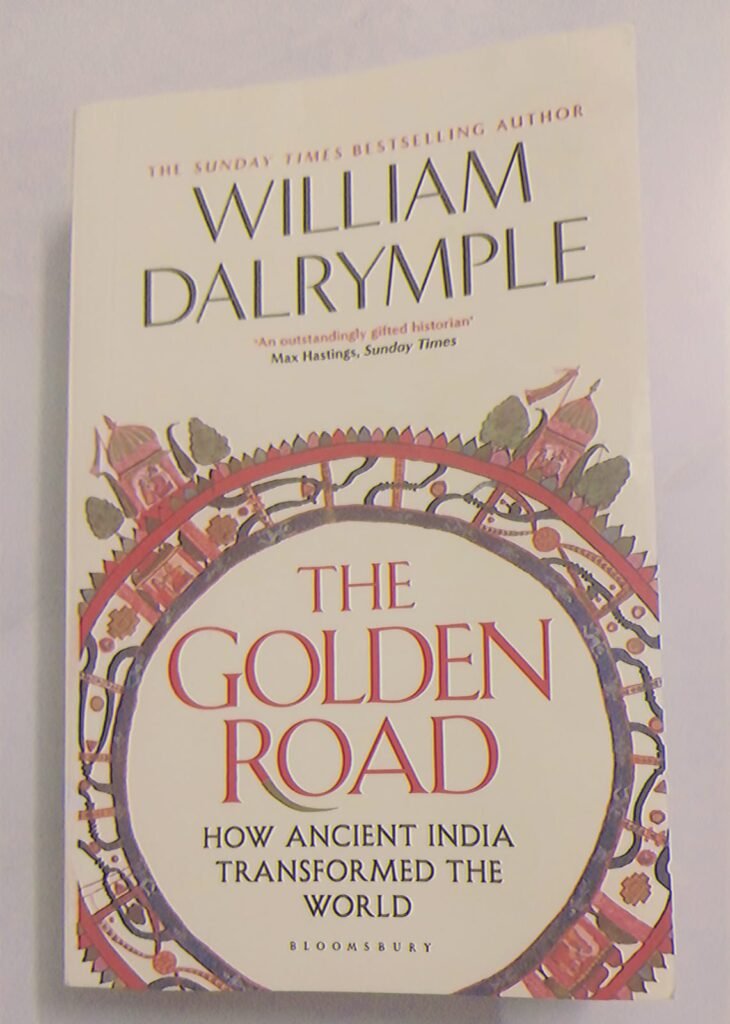
When I picked up The Golden Road: How Ancient India Transformed the World by William Dalrymple, I expected an exploration of India’s historical contributions. What I didn’t anticipate was the depth and richness with which Dalrymple weaves together art, religion, trade, and cultural exchange. This book transcends the boundaries of traditional history, bringing to life a vibrant, interconnected world where ideas and artistic expressions from ancient India shaped cultures across Asia and beyond. It’s a journey into an era when Indian Buddhist missionaries, sculptors, and scholars carried not only spiritual teachings but also intricate art forms to distant lands—from Gandharan sculptures with Greco-Roman influences to the delicate ink-wash paintings of Japan. Dalrymple’s narrative, filled with vivid descriptions of places like Nalanda University and the Ajanta caves, offers a compelling perspective on how art, intellect, and faith traveled alongside merchants and monks, leaving a lasting mark on global civilization. Here are ten reasons why I believe this book belongs on every art history enthusiast’s reading list. 10 Reasons Why Art History Lovers Should Read This Book A Rich Tapestry of Buddhist Art Dalrymple paints an evocative picture of how Buddhist art flourished, especially through the mesmerizing murals at the Ajanta Caves. These murals are not just visual art; they are a portal to ancient India’s spiritual and artistic heart. “The Ajanta murals relayed Buddhist stories in images of supreme elegance and grace… producing paintings of courtly life and ascetic renunciation that rank among the greatest masterpieces of any century.” page 29 Buddhism’s Artistic Influence Across Asia The book explores how Indian art spread with Buddhist missionaries, transforming cultural landscapes across China, Japan, and Southeast Asia. Seeing how Zen aesthetics took root in Japan, inspired by Indian thought, added a profound layer to my appreciation of this book. Iconic Monuments Brought to Life Dalrymple dives into the origins and significance of iconic structures like Borobudur in Java and Angkor Wat in Cambodia. Understanding how deeply these structures were influenced by Indian architecture makes me want to visit them in person. The Enchantment of Monasteries and Libraries The description of Nalanda, the world’s first great university, gave me chills. The vibrant intellectual life it hosted made me realize that India was once a beacon of knowledge for the world. “Nalanda’s library, known as the ‘Sea of Jewels,’ was a nine-story wonder where scholars from across Asia gathered to study texts on everything from medicine to mathematics.” Page 9 Art Beyond Borders: Indian Iconography in Asia The book traces how symbols like the Bodhisattvas Avalokitesvara and Vajrapani evolved as they traveled across Asia. This blending of styles offers art historians a deeper understanding of how cultural diffusion shapes artistic expression. Cultural Intermingling Through Art Dalrymple’s narrative emphasizes the beautiful fusion of Indian, Persian, and Hellenistic influences. This cross-pollination of styles is a reminder that art flourishes most when cultures come together. A Vivid Portrait of Ancient Life The Ajanta murals offer more than religious scenes—they depict lively court life, bustling markets, and vibrant communities. I found it fascinating to see monks and courtiers coexist in these paintings, blurring the line between spiritual and secular. “The murals show heavy-breasted dancers swaying to unheard music, while merchants and scholars gather in the same space—reminding us that life in ancient India was a harmonious blend of the spiritual and the sensual.” Page 11 A Personal Connection to Global History Reading about Xuanzang’s pilgrimage to India and his time at Nalanda struck a personal chord. His quest for knowledge mirrors the journey of any art lover seeking to uncover hidden connections in the world’s cultural history. Detailed on pages 12 and 7 Rediscovery of Forgotten Artistic Marvels The early murals of Ajanta’s Cave 10, which predate the others by 500 years, feel like a hidden gem within the book. Dalrymple’s narrative makes you appreciate how much art remains to be rediscovered and understood. Page 5 A Joy to Read for Any Art Enthusiast What sets this book apart is how Dalrymple turns a scholarly topic into an engaging, page-turning narrative. The writing flows effortlessly, and the insights are both enlightening and emotionally resonant. My Personal Verdict If I had to rate The Golden Road on a scale of 5, I’d confidently give it a 4.8 out of 5. This book is an absolute delight—rich in detail, beautifully written, and brimming with insights that linger long after you’ve turned the last page. Dalrymple’s ability to weave storytelling with meticulous scholarship is extraordinary. The only reason I’m holding back from a perfect 5 is that certain sections may feel a bit dense for readers unfamiliar with the nuances of Indian history. However, for anyone with an interest in art, culture, or history, this book is nothing short of a masterpiece. One standout feature is the inclusion of original photographs that bring the narrative to life. From the Ajanta murals to grand temple complexes like Borobudur and Angkor Wat, the visuals make the book even more immersive. These photographs complement the text beautifully, offering readers a glimpse into the artistic and architectural marvels discussed, almost as if you were seeing them firsthand. Ratings: 4.8/5