
You Are My Princess by Tanushree Das

Not every train journey is about reaching a place. Sometimes, it quietly reminds us of how far we have come. That was the thought I was left with after reading You Are My Princess by Tanushree Das, one of the stories in Stories from Trains. The story follows Tanushree, or Tanu, who is traveling alone to Kolkata after a long gap. Somewhere along the journey, she hears two familiar voices calling out to her. They belong to Joshua and Arjun, children she had taught earlier. They are delighted to see her, and very soon, the train compartment fills with the kind of easy affection children bring with them. There are nursery rhymes, laughter, dancing, and conversations that take Tanu back to a part of her life she clearly holds close to her heart. Then comes an encounter she wasn’t expecting. Tanu sees Hemant, a man she had once quietly loved. There was a time when she had hoped he would notice her the way she noticed him. That never happened. Now, years later, she meets him again, this time with his wife and child. This was the point where I wanted the story to slow down. What happens inside you when you unexpectedly meet someone who once occupied so much space in your heart? Do you remember the person you were then? Does something still hurt? Or do you look at that person and wonder why you once wanted their attention so badly? I wanted to know what went through Tanu’s mind in those few seconds. Instead, the story moves past the encounter rather quickly and tells us about her earlier feelings for Hemant. I felt this was a missed opportunity. A small hesitation, an awkward exchange, a memory that surfaced without warning, or even Tanu’s surprise at realizing that she felt nothing anymore could have said far more than an explanation of their past. Hemant doesn’t need to become a major character, but his presence matters because he represents something Tanu once wanted very badly. The children, on the other hand, represent a very different kind of love. One of the sweetest moments in the story comes when Joshua looks at Tanu and says, “You are my princess Tanu.” His mother immediately corrects him and asks him to call her “Ma’am,” while Arjun joins in and calls her their princess. It is such an innocent exchange, but there is something deeper sitting beneath it. Tanu had once imagined herself as a princess. Perhaps, when she was younger, being someone’s princess meant being chosen, loved, and made to feel special. Yet here are two children offering her that affection without knowing anything about the disappointments she has carried. This was one of those moments where I wished the author had simply allowed the scene to breathe. I also wanted to know a little more about Joshua and Arjun. We know Tanu taught them and that they remember her fondly, but why do they share such a warm bond with her? Was there something she did as their teacher that stayed with them? Did Tanu remember something about them from their preschool days? Even one small shared memory could have made their reunion warmer and helped us understand why their affection touches her so deeply. There are also places where the dialogue could have been more natural. At times, characters seem to speak mainly to give the reader information. Real conversations are rarely that complete. People interrupt themselves, leave things unsaid, laugh, hesitate, change the subject, or communicate through a look. Bringing some of that into the conversations would have made the people inside that train compartment feel more real. I also found myself rereading a few sentences because the wording made the meaning difficult to follow. Some descriptions are imaginative, but they don’t always create a clear picture. A tighter edit for grammar, sentence structure, and word choice would have made the story much easier to read. This matters because when a reader has to stop to work out what a sentence means, they are pulled away from the emotion of the scene. And this is a story that depends heavily on emotion. For me, the strongest part comes after the train journey. Tanu goes alone to Flurys on Park Street. She orders the food she wants and sits in a restaurant she had once dreamed of visiting but couldn’t afford. There is something quietly satisfying about that moment. No grand achievement is required. She is simply sitting in a place that once felt beyond her reach, able to pay for her own meal and enjoy her own company. Then she tells herself: “Tanu, you are my princess.” I liked that moment. In fact, I liked it enough to wish the story had trusted it more. The long audio message that follows is where I felt the story said a little more than it needed to. Tanu talks about Hemant, self-love, healthy relationships, earning her own money, publishing her book, and learning to find a sense of safety within herself. I understand why the author wanted Tanu to say all of this. These are clearly important experiences, and they explain the woman she has become. But by then, I had already understood much of it. Seeing Hemant with his wife and child had brought her old hopes face-to-face with reality. Meeting Joshua and Arjun reminded her that love and affection had existed in her life in other forms. Sitting alone at Flurys showed us that she could now give herself something she once couldn’t. And that one sentence, “Tanu, you are my princess,” brought all those threads together. The story had already spoken. That is why the audio message felt more like an explanation of the ending than part of the ending itself. A shorter message might have worked. Perhaps even no message at all. I would have been happy to leave Tanu sitting at that table, remembering the little boy on the train who had called her a princess and
My Review of Nandini Gupta’s Mini Concert

My review of Mini Concert by Nandini Gupta, a story from Stories of Trains, explores Jatin’s memorable journey filled with music, strangers, kindness, and a few important realizations.
The History Mystery by Ana Maria Machado

What if history wasn’t just something you read in books? What if it lived, breathed, and whispered its secrets to those who dared to uncover them? In this enchanting tale, a group of curious children stumble upon a hidden journal that takes them on a journey through Brazil’s vibrant past. As they piece together the mysteries of the island, they discover that history is not just about events but the people, choices, and dreams that shape it. Together, they learn that the stories of the past have the power to guide the present—and inspire the future.
Life Lessons from Ratan Tata in I Came Upon a Lighthouse
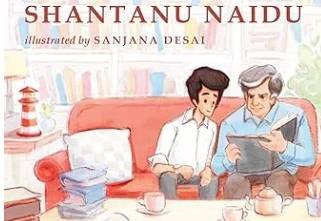
Book Name: I Came Upon A LighthouseAuthor: Shantanu NaiduIllustrator: Sanjana DesaiGenre: MemoirFormat: HardbackBook Length: 232 pagesPrice: ₹364/-Publishing House: Harper Collins IndiaPublication Date: 11th January, 2021ISBN: 9390327520 My Rating : 5/5 In I Came Upon a Lighthouse, Shantanu Naidu opens the door to a unique mentorship journey with the legendary Ratan Tata—a relationship that began in the most unexpected way and soon blossomed into a profound friendship. What starts as a compassionate project for stray dogs turns into a story of life lessons, genuine guidance, and wisdom from one of India’s most admired figures. With a foreword by Tata himself, the book sets a warm, reflective tone that invites readers to explore lessons in humility, purpose, and resilience. The visual storytelling is further enriched by Sanjana Desai’s illustrations, which add an evocative, artistic layer to Shantanu’s deeply personal account. Her artwork brings Naidu’s narrative to life, capturing the nuances of his relationship with Tata and adding visual appeal to his words. This collaboration of storytelling and art allows readers to immerse themselves not only in Naidu’s story but in a beautifully illustrated journey that adds depth to each lesson shared. This isn’t just a story about industry or career growth; it’s a heartfelt narrative of guidance, empathy, and purpose. This is more than a book about business; it’s a journey into values that transcend generations, reminding readers of the beauty in simplicity, empathy, and leaving a meaningful legacy. Through Naidu’s writing, readers are taken into the world of Tata, not as an industry magnate, but as a person with depth, empathy, and purpose. The lessons Shantanu learned from Ratan Tata resonate on a profoundly human level, showing readers what it means to lead a life defined by compassion, resilience, and simplicity. In a narrative filled with admiration and insight, Shantanu shares ten powerful lessons from Tata’s life—lessons that can inspire readers to become better versions of themselves. 10 Life Lessons from Ratan Tata for You and Me Here’s a closer look at the wisdom Shantanu gathered, which serves as a guide for anyone who wishes to lead with purpose, humility, and heart. Humility is Strength– One of the most striking elements of Tata’s character is his humility. Despite his success and status, Tata remains approachable and down-to-earth. Shantanu found that humility isn’t a weakness—it’s a quiet, unshakable strength that allows leaders to connect genuinely with people. In a world often defined by ego and power, this lesson serves as a reminder that true respect comes from humility. Relationships Over Transactions– In a world that increasingly values speed and efficiency, Tata stands out for his commitment to meaningful relationships. He doesn’t view interactions as mere transactions but as opportunities to understand and connect with others. Shantanu observed how this approach creates lasting bonds built on respect and trust. For readers, this lesson is a call to value relationships and recognize that the greatest success lies in making real connections. Embrace Simplicity– Ratan Tata’s life is a lesson in simplicity. Far from the glitz and glamour one might expect, he embraces a simple lifestyle, finding joy in everyday things. Through Tata, Shantanu learned—and shares with readers—that happiness isn’t tied to luxury but to a contentment rooted in the present. It’s a nudge for readers to reflect on the unnecessary complexities we add to our lives. Innovate Constantly– Throughout his career, Tata has championed innovation, encouraging risk-taking for the greater good. From Shantanu’s perspective, Tata’s drive to create and build for society, rather than just profit, is deeply inspiring. It reminds readers that innovation is a mindset—a continuous pursuit of betterment that can redefine industries, societies, and lives. Focus on Giving Back– Philanthropy and giving back are central to Ratan Tata’s philosophy. He firmly believes that success should empower and uplift those around you. Shantanu learned that life isn’t just about personal achievement; it’s about using that success to positively impact others. This lesson speaks directly to readers: it challenges us to think about how we can give back, regardless of where we are on our journeys. Handle Criticism with Grace– Tata’s calm demeanor in the face of criticism taught Shantanu—and by extension, readers—a valuable lesson in resilience and self-assurance. Instead of reacting defensively, he listens, learns, and moves forward with grace. In a society often quick to retaliate, this lesson stands as a refreshing reminder of the strength in calmly embracing feedback, even when it’s hard to hear. Lead with Empathy– In his dealings with people, Tata leads with empathy, valuing every individual’s perspective. For Shantanu, this was a revelation, showing that leadership isn’t just about making decisions but about understanding and caring for those affected by those decisions. Readers are encouraged to adopt empathy as a guiding principle in both their personal and professional lives, creating environments where people feel valued and understood. Stay True to Your Ethics– Tata’s dedication to ethics in business was a defining aspect of his mentorship. Shantanu witnessed how Ratan Tata consistently prioritized integrity, even when it wasn’t the easiest or most profitable path. This unwavering commitment to ethics serves as a potent lesson for readers: in a world often dominated by shortcuts, true success and respect come from staying true to one’s values. Cultivate Resilience in Tough Times– Ratan Tata’s resilience in the face of adversity inspired Shantanu to persevere through his own challenges. Tata’s attitude toward setbacks is a lesson in embracing challenges as opportunities for growth. For readers, this resilience is a call to stay strong during hard times, knowing that they are temporary and that every setback offers an opportunity for growth. 10. Legacy is About People, Not Wealth– Perhaps the most profound lesson Shantanu learned is that true legacy isn’t defined by wealth or status but by the positive impact one leaves on others. Tata’s legacy is built on how he’s touched people’s lives, both personally and professionally. For readers, this lesson is a reminder to think about the mark they want to leave—not through material wealth but through meaningful contributions
10 Reasons Why Art History Lovers Should Read the Book The Golden Road: How Ancient India Transformed the World
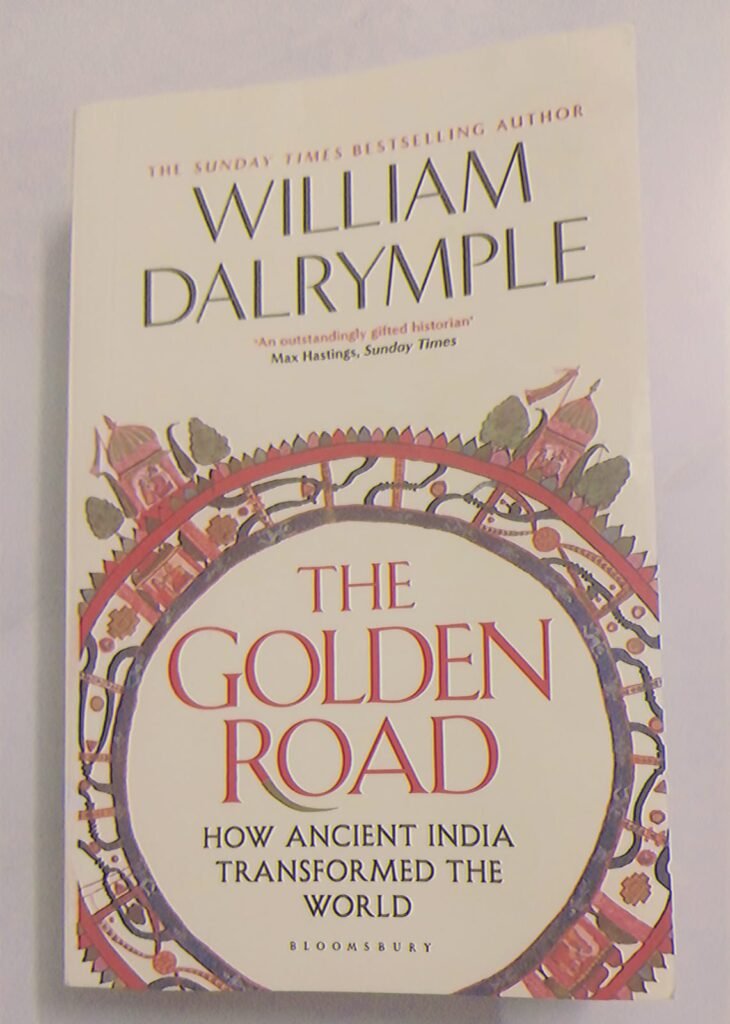
When I picked up The Golden Road: How Ancient India Transformed the World by William Dalrymple, I expected an exploration of India’s historical contributions. What I didn’t anticipate was the depth and richness with which Dalrymple weaves together art, religion, trade, and cultural exchange. This book transcends the boundaries of traditional history, bringing to life a vibrant, interconnected world where ideas and artistic expressions from ancient India shaped cultures across Asia and beyond. It’s a journey into an era when Indian Buddhist missionaries, sculptors, and scholars carried not only spiritual teachings but also intricate art forms to distant lands—from Gandharan sculptures with Greco-Roman influences to the delicate ink-wash paintings of Japan. Dalrymple’s narrative, filled with vivid descriptions of places like Nalanda University and the Ajanta caves, offers a compelling perspective on how art, intellect, and faith traveled alongside merchants and monks, leaving a lasting mark on global civilization. Here are ten reasons why I believe this book belongs on every art history enthusiast’s reading list. 10 Reasons Why Art History Lovers Should Read This Book A Rich Tapestry of Buddhist Art Dalrymple paints an evocative picture of how Buddhist art flourished, especially through the mesmerizing murals at the Ajanta Caves. These murals are not just visual art; they are a portal to ancient India’s spiritual and artistic heart. “The Ajanta murals relayed Buddhist stories in images of supreme elegance and grace… producing paintings of courtly life and ascetic renunciation that rank among the greatest masterpieces of any century.” page 29 Buddhism’s Artistic Influence Across Asia The book explores how Indian art spread with Buddhist missionaries, transforming cultural landscapes across China, Japan, and Southeast Asia. Seeing how Zen aesthetics took root in Japan, inspired by Indian thought, added a profound layer to my appreciation of this book. Iconic Monuments Brought to Life Dalrymple dives into the origins and significance of iconic structures like Borobudur in Java and Angkor Wat in Cambodia. Understanding how deeply these structures were influenced by Indian architecture makes me want to visit them in person. The Enchantment of Monasteries and Libraries The description of Nalanda, the world’s first great university, gave me chills. The vibrant intellectual life it hosted made me realize that India was once a beacon of knowledge for the world. “Nalanda’s library, known as the ‘Sea of Jewels,’ was a nine-story wonder where scholars from across Asia gathered to study texts on everything from medicine to mathematics.” Page 9 Art Beyond Borders: Indian Iconography in Asia The book traces how symbols like the Bodhisattvas Avalokitesvara and Vajrapani evolved as they traveled across Asia. This blending of styles offers art historians a deeper understanding of how cultural diffusion shapes artistic expression. Cultural Intermingling Through Art Dalrymple’s narrative emphasizes the beautiful fusion of Indian, Persian, and Hellenistic influences. This cross-pollination of styles is a reminder that art flourishes most when cultures come together. A Vivid Portrait of Ancient Life The Ajanta murals offer more than religious scenes—they depict lively court life, bustling markets, and vibrant communities. I found it fascinating to see monks and courtiers coexist in these paintings, blurring the line between spiritual and secular. “The murals show heavy-breasted dancers swaying to unheard music, while merchants and scholars gather in the same space—reminding us that life in ancient India was a harmonious blend of the spiritual and the sensual.” Page 11 A Personal Connection to Global History Reading about Xuanzang’s pilgrimage to India and his time at Nalanda struck a personal chord. His quest for knowledge mirrors the journey of any art lover seeking to uncover hidden connections in the world’s cultural history. Detailed on pages 12 and 7 Rediscovery of Forgotten Artistic Marvels The early murals of Ajanta’s Cave 10, which predate the others by 500 years, feel like a hidden gem within the book. Dalrymple’s narrative makes you appreciate how much art remains to be rediscovered and understood. Page 5 A Joy to Read for Any Art Enthusiast What sets this book apart is how Dalrymple turns a scholarly topic into an engaging, page-turning narrative. The writing flows effortlessly, and the insights are both enlightening and emotionally resonant. My Personal Verdict If I had to rate The Golden Road on a scale of 5, I’d confidently give it a 4.8 out of 5. This book is an absolute delight—rich in detail, beautifully written, and brimming with insights that linger long after you’ve turned the last page. Dalrymple’s ability to weave storytelling with meticulous scholarship is extraordinary. The only reason I’m holding back from a perfect 5 is that certain sections may feel a bit dense for readers unfamiliar with the nuances of Indian history. However, for anyone with an interest in art, culture, or history, this book is nothing short of a masterpiece. One standout feature is the inclusion of original photographs that bring the narrative to life. From the Ajanta murals to grand temple complexes like Borobudur and Angkor Wat, the visuals make the book even more immersive. These photographs complement the text beautifully, offering readers a glimpse into the artistic and architectural marvels discussed, almost as if you were seeing them firsthand. Ratings: 4.8/5