
What He Meant
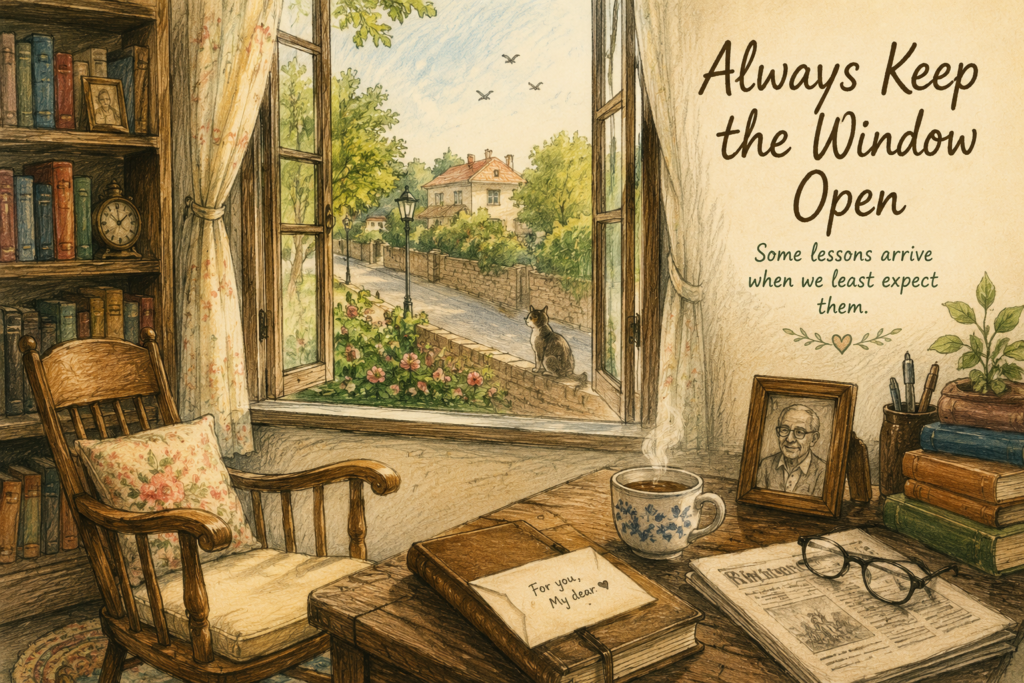
“I don’t know what he meant when he said, ‘Keep the window open.’”My grandfather said those words often.Whenever I visited him during my school holidays, I would find him in his study, sitting beside the large window. It was the brightest spot in the room and his favorite place during winter, when the afternoon sun warmed the wooden floor. But during the windy monsoon days, it was the coldest corner of the house. He never liked curtains on that window.His old wooden rocking chair sat beside it, with a soft cotton cushion that had taken the shape of his back over the years. A short carpet lay beneath his feet to keep them warm on chilly mornings.From there, he could watch people pass by on the road. Sometimes, he would have a one-sided conversation with the neighborhood cat that lazed on the compound wall. On other days, he would fill the little birdbath with water and scatter a few grains beside it. Every now and then, a few sparrows would land on the window rail, stay for a while, and fly away.It was his favorite place in the house.“Why don’t you close it when it gets windy?” I once asked.He looked at me over his glasses.“Because a closed window keeps everything out.”I thought he was talking about fresh air.I was twelve then. I didn’t think much about what he said.Years passed.I grew up, moved to another city, got a job, and became busy with my own life. My visits to my grandparents became less frequent. Phone calls replaced long afternoons at their house.Grandfather never complained.Whenever I called, he would ask about my work, my friends, and whether I was eating properly.Then one summer, I had a silly argument with Anu, my closest friend since school. We had grown up together, shared secrets, celebrated birthdays, and stayed in touch even after I moved to another city.The argument was over something so small that I can’t remember what it was now. What I remember is that neither of us wanted to be the first to say sorry. A few days later, Anu called. I saw her name on my phone but let the call go unanswered. I thought about calling her back that evening. I didn’t. A week later, I typed a message, read it twice, and deleted it. Neither of us called again. I told myself that if she really cared, she would call again. She didn’t.Around the same time, Grandfather called one evening. We hadn’t spoken in a few weeks, so I was happy to hear his voice.“When are you coming home?”“Soon,” I said.“You’ve been saying that for months.”I laughed. “I’ll come next month. I have a few days off for Diwali.”“Good. I’ll hold you to that.”We spoke about a few things after that. He asked about my work, reminded me to take care of myself, and told me about the new plants he had put in the backyard.Just before we ended the call, he said, “And keep the window open.”I laughed.“You still say that?”“Always.”I didn’t ask what he meant. I had heard him say it so many times that I had stopped wondering about it.A few months later, Grandfather passed away.After the funeral, I stood outside his study for a long time. I had walked past that door several times, but I couldn’t bring myself to go in. It felt strange to think that he would never be sitting in that rocking chair again, calling me over to show me something he had found in the newspaper.Finally, I placed my hand on the doorknob and turned it. I pushed the door open slowly.Everything inside looked just as I remembered it. His books were still arranged on the shelves, their spines worn from years of use. His reading glasses rested on the desk beside the newspaper he had been reading that morning. His wooden rocking chair stood beside the window, the cotton cushion still holding its familiar shape, with the little carpet beneath it. For a moment, the room felt as though he had only stepped away and would return any minute. But the window was closed. I walked over and opened it. The room filled with a gentle breeze that carried the fragrance of the roses in full bloom outside. I stood there for a moment, taking in the familiar scent and looking out at the road where Grandfather had spent so many hours watching people pass by. I curled up in his rocking chair for a while, running my fingers over the worn cotton cushion. I remembered the many afternoons he had spent there, reading the newspaper, watching people pass by, or simply sitting quietly with his tea.Then I noticed that the drawer of the small table opposite the chair was slightly open. I pulled it out and found a small envelope tucked beneath his diary. My name was written on it in his familiar handwriting.I held the envelope in my hands for a moment. Somehow, I knew there was something inside that I wasn’t quite ready to read.Reluctantly, I opened it.My dear Maya,You once asked me why I always kept this window open. I gave you an answer, but I never told you the whole story.When I was young, your grand-uncle and I had a terrible argument. Neither of us was willing to apologize. I waited for him to come to me, and he waited for me to go to him. We let our pride get in the way. One year became five. Five became ten. Before we knew it, twenty years had passed.When we finally met again to put away our differences, we were happy to see each other, but we couldn’t get back those twenty years.I often wondered what might have happened if one of us had simply taken the first step.That is why I keep this window open. Not just for the breeze or the birds. It reminds me to leave a little space for people. People will disappoint us. We will disappoint them too.
Just In Case
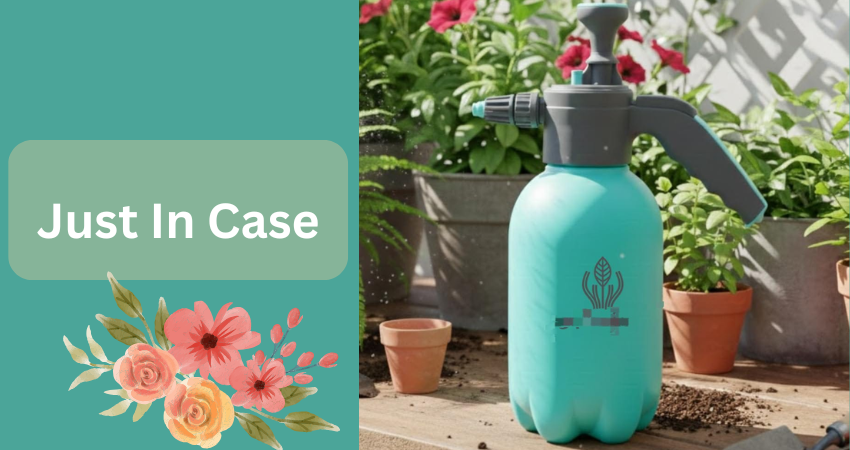
The picture above took me back to a July afternoon in my mother’s garden in Trivandrum. My mother has a few coconut saplings in her backyard. One afternoon, we noticed something unusual about one of them. The tender leaves at the center looked disturbed, the leaves were curling, one of the leaves was wilting as if it is dehydrated and one was turning brown from its base.She called her man Friday and asked him to check the coconut sapling. She also told him to bring his tools when he came, as the hibiscus, camellia, and a few other flowering shrubs needed pruning.That evening, he came over and took a closer look at the sapling. He examined the tender leaves and the center of the plant and told my mother there are pest inside the sapling and it requires spraying.A couple of days later, he came with a garden sprayer. He filled it with a medicine meant for coconut trees and carefully sprayed it into the tender leaves.We stood there watching. A few moments later, we noticed something moving inside the plant. Then another one.To our surprise, two large beetles crawled out from between the tender leaves. They had been hiding there all along, quietly damaging the young coconut sapling.My mother watched the beetles emerge and then looked closely at the sprayer.”Where did you get that?” she asked.He gave her an answer that didn’t really answer the question. My mother wasn’t going to let that go.I mentioned the sprayer to my nephew, and he found a similar one online and ordered it for her. The sprayer her man Friday used was pink. The one my nephew ordered for my mother was teal.I was with her when the Amazon delivery arrived. She was delighted when she opened the box. I thought we had finally solved the garden-sprayer situation.Except we hadn’t.Even today, when her plants needed spraying, my mother still calls her man Friday and asks him to bring his pink sprayer.Naturally, we asked her why she didn’t use the teal one her grandson had bought for her.Her answer was simple.”I’ll keep this one safe just in case.”Just in case of what, we never quite figured out.But the teal sprayer was safely placed in the garden tool room, where it continues to wait patiently for its moment.
The Shoe Test

A woman shopping for running shoes witnesses an unusual customer testing pair after pair. What begins as an ordinary shopping trip ends with an unexpected lesson about honesty, trust, and what it truly means to help a customer.
Before the Day Grew Warm

Every morning, two strangers meet in the same garden. Their quiet conversations grow into an unexpected bond, but the garden holds a secret that changes everything. Before the Day Grew Warm is a short love story about connection, nature, and fleeting moments.
Before You Write That Raksha Bandhan Story, Read This
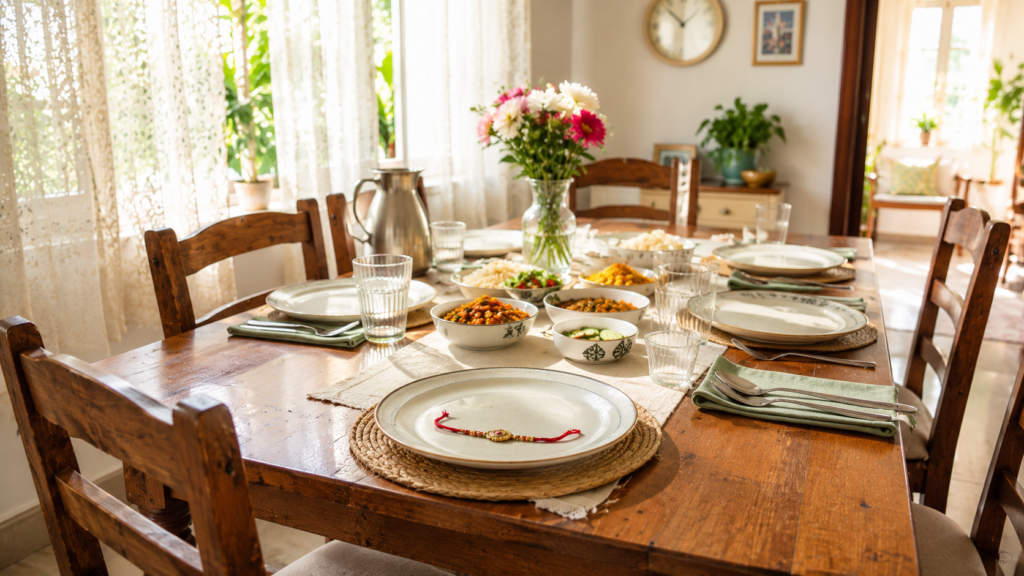
Every year, as Raksha Bandhan approaches, writing communities begin sharing story prompts. Anthology announcements appear on social media, writers start discussing ideas, and before long, the same themes begin to surface. A loving brother. A caring sister. A beautifully decorated thali. A heartfelt promise of protection. While there’s nothing wrong with these stories, many of them end up sounding alike because they begin with the festival instead of the people. Over the years, I’ve realized that festivals don’t create memorable stories. Relationships do. I don’t have a brother, so I don’t have childhood memories of tying a Rakhi or waiting excitedly for a gift. In Kerala, Raksha Bandhan is not celebrated. Yet I’ve always been drawn to stories about siblings. Perhaps that’s because affection between siblings has very little to do with rituals. It’s found in everyday moments that most people hardly notice. A sister quietly packs an extra snack because she knows her brother will forget his lunch. A brother pretending not to care, yet waiting outside his sister’s examination hall until she finishes. The teasing, the arguments, the unspoken understanding, and the comfort of knowing someone has known you since childhood. Those are the moments that stay with us. And that’s exactly where a good Raksha Bandhan story begins. When I read stories written around festivals, I rarely remember how beautifully the rituals were described. What I remember are the characters. I remember the elderly brother who travelled overnight just to spend a few hours with his sister. I remember the woman who found an old Rakhi while cleaning a cupboard after her mother’s passing. I remember the child who carefully saved pocket money for weeks to buy the simplest gift. None of these memories stayed with me because of the festival. They stayed because they felt like they could have belonged to someone I knew. As writers, I think we sometimes put too much pressure on ourselves to come up with an unusual plot. We spend hours wondering what unexpected twist we can add, when perhaps we should be asking a different question altogether. What relationship am I trying to capture? Once you answer that honestly, the story usually finds its own direction. One thing I’ve noticed while observing families is that siblings rarely express affection in obvious ways. They interrupt each other, argue over the smallest things, borrow belongings without permission, and somehow still become each other’s strongest support during difficult times. That contradiction is what makes sibling relationships interesting. If every conversation between your characters is warm and affectionate, readers may admire them, but they probably won’t believe them. The stories that touch us are usually the ones that allow their characters to be imperfect. A brother may forget an important date but remember exactly how his sister likes her tea. A sister may spend half the day complaining about her brother, yet be the first person he calls when life falls apart. These little contradictions make characters feel human because that’s how most of us are. I’ve also learned that ordinary objects often carry more emotion than dramatic scenes. Whenever I’m searching for the heart of a story, I find myself thinking about things people hold on to rather than the events themselves. An old greeting card. A faded photograph. A train ticket. A lunch box. Even a pencil box with a forgotten Rakhi tucked inside. Objects quietly collect memories over the years. They become witnesses to lives being lived, and sometimes they tell a story without a single line of dialogue. Readers notice these details because they’ve experienced something similar in their own lives. Most of us have opened an old drawer looking for one thing and unexpectedly found another that transported us back in time. That feeling is difficult to manufacture, but when it appears naturally in a story, it creates an instant connection. Another mistake I often see is giving too much importance to the festival itself. We don’t need several paragraphs explaining how the thali was decorated or how every ritual was performed unless those details move the story forward. Your readers already know what Raksha Bandhan looks like. What they don’t know is how your characters will change because of that day. Perhaps a brother returns home after years of working abroad. Perhaps two siblings meet after an argument that lasted longer than either of them expected. Perhaps an elderly woman ties a Rakhi to an old photograph because the brother she misses is no longer there. The festival becomes meaningful because of what it awakens in the characters, not because of the rituals themselves. If there’s one piece of advice I’d offer any writer working on a Raksha Bandhan story, it’s this. Spend less time thinking about the festival and more time observing people. Listen to conversations at family gatherings. Watch how siblings tease each other across a dining table. Notice the little gestures that often go unnoticed. Someone serving food before being asked. Someone carrying an extra umbrella because they know the other person never remembers one. These moments may seem ordinary, but they often become the foundation of unforgettable stories. I also believe we don’t talk enough about the many forms sibling relationships can take today. Not every Raksha Bandhan story has to revolve around a biological brother and sister. Some cousins grow up like siblings. Some sisters become each other’s greatest protectors. Some people celebrate the festival with friends who have become family over the years. And there are those who celebrate quietly through memories because the person they once tied a Rakhi to is no longer with them. These stories deserve to be told because they reflect the world we live in today. Whenever I finish writing a story, I don’t ask myself whether readers will cry. Instead, I ask whether they’ll remember it. Those are two very different things. A story doesn’t have to be heartbreaking to stay with someone. Sometimes it only needs one honest moment, one familiar memory, or one
Four Hours for a Jar of Jam
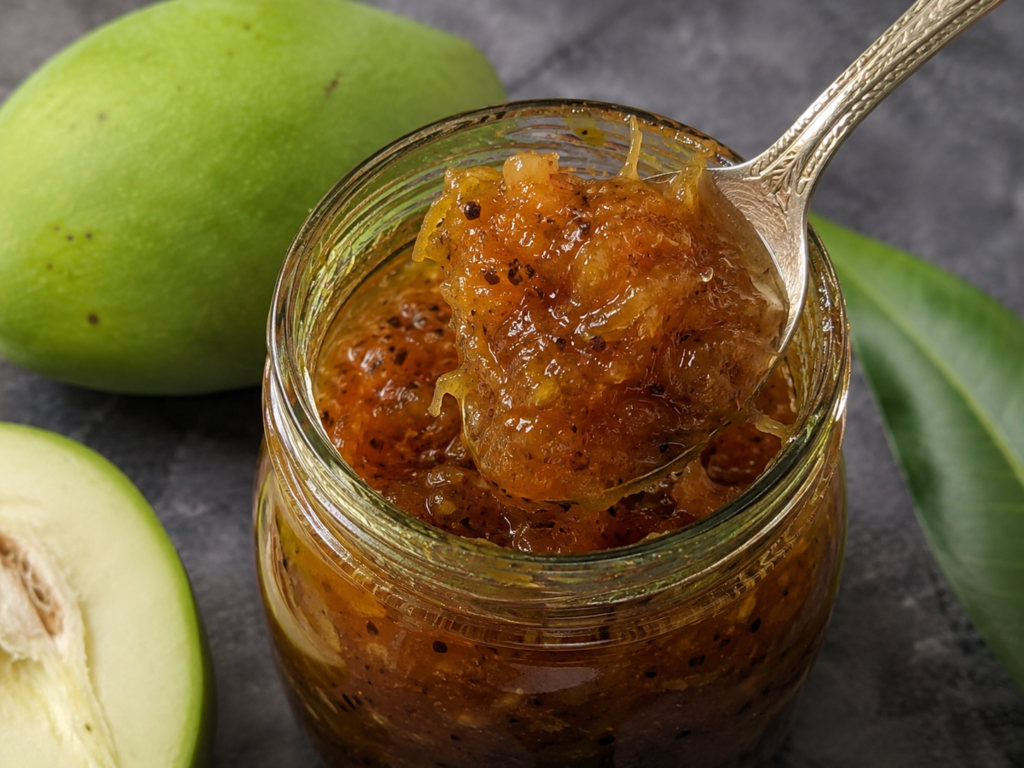
This is a continuation of Five Mangoes and My Mother’s Summer Jam . If you haven’t read the first part yet, I hope you’ll stop by there before joining me in my mother’s cooking session. After banishing me from the kitchen, my mother got down to business.As expected, K’s face was worth watching when she saw the five mangoes waiting for her. On most days, she only has vegetables to chop. That day, she had to peel and grate five huge raw mangoes as well.By the time she was done, there was a large steel bowl full of grated mangoes sitting on the kitchen counter.My mother added some pink salt and freshly powdered pepper to it and mixed everything well with her hand. Then she covered the bowl and left it alone for about an hour.After an hour, she placed a sieve over another vessel and tipped the mango mixture into it. Taking a potato masher, she pressed down hard, squeezing out as much juice as possible.The juice wasn’t thrown away.”It will be good in rasam or sambhar,” she said, pouring it into a glass bottle and keeping it aside.The squeezed mangoes were then measured and transferred into a heavy-bottomed kadai.For every cup of grated mango, she added a cup of jaggery.She mixed the two with a wooden spoon until the jaggery was evenly distributed. And then, she did absolutely nothing for the next three whole hours.The kadai sat undisturbed on the counter. By the time my mother switched on the stove, a thick syrup had oozed out of the mixture. The aroma was hard to ignore, the tanginess of raw mango mixed with the sweetness of jaggery. I stood there inhaling deeply, wishing there was some way to bottle that smell and keep it for another day. This was the only part of the process that wouldn’t allow her to walk away. She stood by the stove, stirring continuously and keeping a close watch on the kadai. I sat at the dining table watching her. That’s how I know she stirred it for exactly seven minutes. At the end of the seventh minute, she switched off the flame. I don’t remember her looking at a clock even once. It was almost as if an invisible timer had gone off in her head. Exactly seven minutes. Not a second more.Only then did she add the powdered misri and dry ginger that had been waiting patiently since morning. I am fairly certain she had slipped in a few cardamom pods while powdering the misri because there was a gentle hint of cardamom lingering in the kitchen.She gave everything one final stir and left the jam to cool.By then, nearly four to five hours had gone by.Four to five hours, if one counts the hour K spent peeling and grating the mangoes, the hour the grated mango rested with salt and pepper, the three hours it sat with jaggery slowly drawing out its juices, and finally those seven minutes at the stove that my mother guarded so carefully.And then came the best part.The jam didn’t even last an hour.We spread it over chapathis, sandwiched generous spoonfuls between slices of bread, and tucked some inside buns.It was my daughter who suggested trying it over vanilla ice cream. During the summer months, there is almost always a family pack of Amul vanilla ice cream sitting in our freezer. We simply love it because its mild flavor goes well with almost anything.A spoonful of the jam over a scoop of ice cream turned out to be surprisingly good. The cold creaminess of the ice cream balanced the sweet, tangy jam beautifully.My mother sat quietly watching us eat.There wasn’t enough left to fill a proper jar.But she didn’t seem disappointed.She leaned back in her chair, looking immensely pleased with herself, grinning like a cat that had got its cream.Perhaps that was what she had wanted all along.Not rows of jam bottles lined up on a shelf.Just her family gathered around the table, happily eating something she had spent an entire afternoon making.
Five Mangoes and My Mother’s Summer Jam
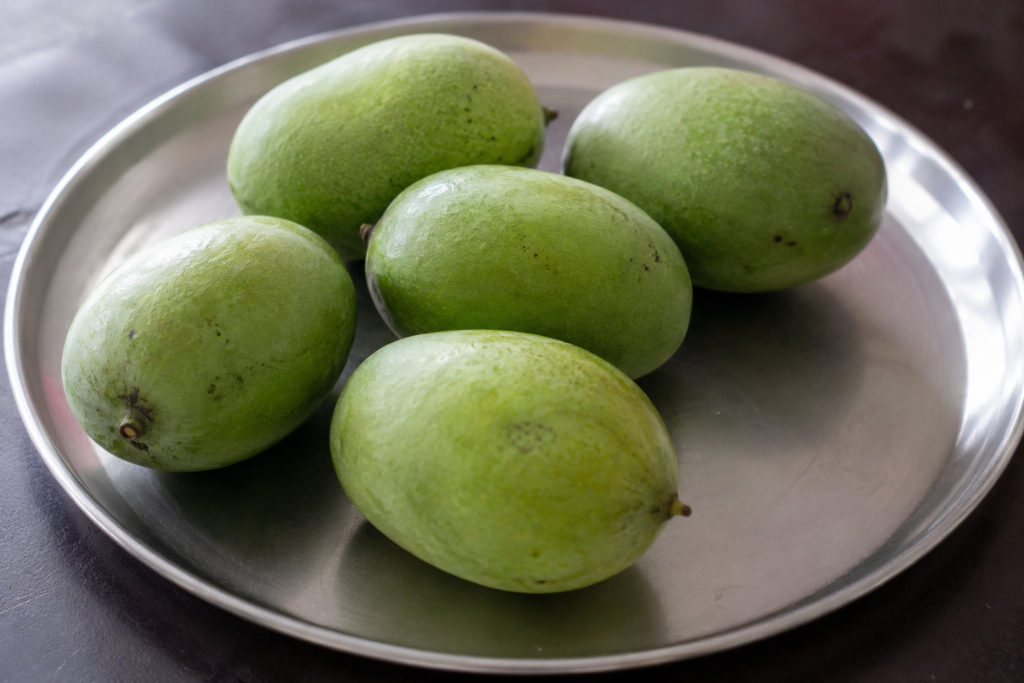
My mother arrived in Pune after a long train journey from Trivandrum. A kind gardener, five raw mangoes, and an old family recipe turned an ordinary summer into a memory worth preserving.
5 Tips for Writing Digital-Era Crime Fiction That Feels Real
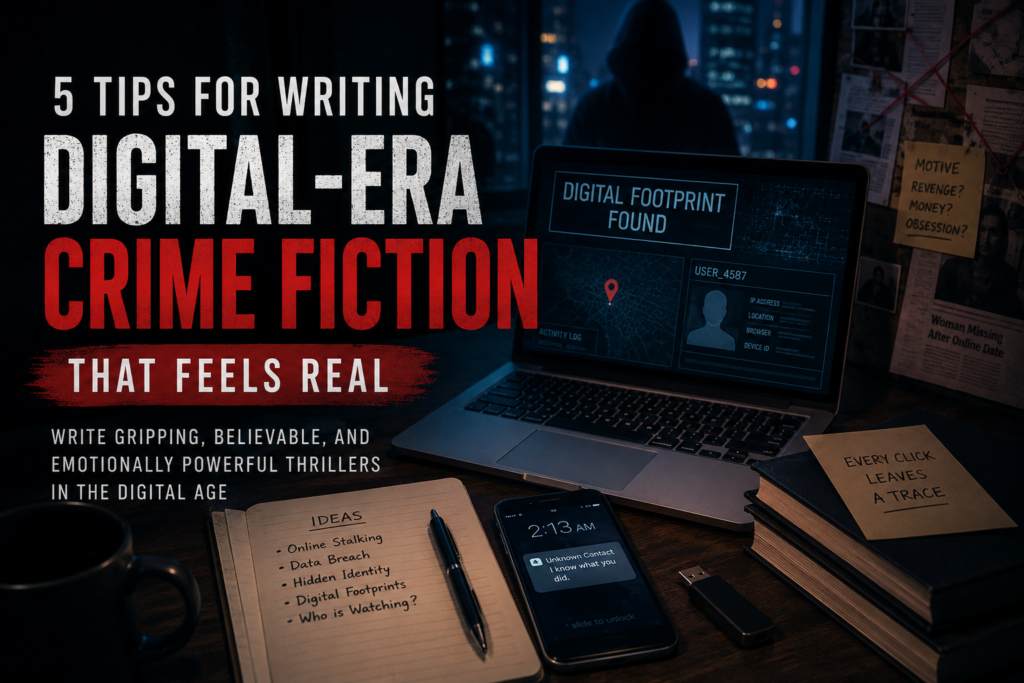
Crime fiction has always evolved with the times. Once upon a time, detectives solved crimes using handwritten letters, cigarette ash, and overheard conversations in smoky bars. Today, people leave behind different kinds of evidence, location history, deleted chats, dating app profiles, cloud backups, Reddit posts, food delivery records, and late-night Google searches they thought nobody would ever see. And that changes how crime stories work. The problem is, a lot of modern digital thrillers either become too technical or too unrealistic. Some stories read like software manuals. Others make hacking look like magic. Readers notice both. The best digital-age crime fiction feels human first, technical second. If you’re trying to write a cyber thriller, an online stalking story, or a modern detective novel, here are a few things that make the story feel believable and emotionally gripping. TL;DR Writing digital-era crime fiction isn’t about showing off technical knowledge. It’s about using technology to deepen suspense, reveal human behavior, and create believable emotional tension. The strongest cyber thrillers focus less on gadgets and more on fear, obsession, secrecy, and vulnerability in online spaces. Use Technology Like a Tool, Not a Superpower One mistake many writers make is treating technology as an instant solution. The detective taps a keyboard furiously for ten seconds and suddenly gains access to everything, passwords, CCTV feeds, deleted messages, bank records. It works in movies because the scene moves quickly. On paper, though, it often feels lazy. Real digital investigations are messy. Sometimes the phone is locked.Sometimes the footage is blurry.Sometimes the suspect used a burner account that leads nowhere. And honestly, those limitations make stories more interesting. Imagine this: A missing woman’s Instagram account suddenly becomes active at 2:13 a.m. after three months of silence. Her family believes she’s alive. But the investigator notices something odd, the captions don’t sound like her anymore. The emojis are different. The grammar is cleaner. Someone else may be using the account. That’s far more chilling than a dramatic hacking scene. Technology should raise questions, not immediately answer them. Focus on Human Behavior Online Good digital crime fiction isn’t really about computers. It’s about people behind screens. Think about how differently people behave online compared to real life. Someone quiet in public may become aggressive online. Someone lonely may build fake identities. Someone obsessed may track another person’s activity for years without ever speaking to them. Digital spaces expose habits, insecurities, and emotional patterns. A character’s browsing history can reveal fear.A deleted message can reveal regret.A fake account can reveal obsession. And often, what characters hide says more than what they openly confess. For example: A husband reports his wife missing. During the investigation, police discover he has been reading old Reddit threads about “how long phone records are stored” and “how to permanently delete cloud backups.” He hasn’t technically confessed to anything.But readers instantly feel something is wrong. That’s where tension comes from. Don’t Drown Readers in Technical Language A lot of writers think complexity equals realism. It doesn’t. Readers don’t need long explanations about malware architecture or encryption protocols unless those details directly matter to the plot. Too much jargon creates distance between the story and the reader. Most people read thrillers for emotional momentum, suspense, and atmosphere. Simple details often work better. Instead of writing: “He initiated a packet interception attack through an unsecured router vulnerability.” You could write: “He sat outside the café for two hours because he knew people trusted free Wi-Fi too easily.” The second line feels visual. Human. Cinematic. That’s the difference. You don’t need to prove you’re technically smart. You need readers to stay emotionally invested. Digital Fear Works Best When It Feels Personal The scariest thing about modern technology isn’t always surveillance. It’s exposure. People store entire lives online now, conversations, secrets, relationships, financial records, private photos, voice notes, search history. Losing control over that information feels deeply personal. That’s why digital-age thrillers work best when they tap into emotional vulnerability. A woman receives photographs taken inside her apartment, but her curtains were closed.A teenager realizes someone has been editing his old social media posts.A journalist discovers her smart speaker recorded conversations she never knew existed. None of these scenes require violence.But they still feel disturbing. Readers connect with these fears because they already live with technology every day. The danger feels possible. And believable fear is always stronger than exaggerated drama. Remember That Crime Fiction Is Still About Emotion Technology changes methods. It doesn’t change motives. People still commit crimes because of jealousy, revenge, shame, greed, desperation, loneliness, or obsession. Even the most modern cybercrime story needs emotional depth underneath the technical layer. A hacker stealing financial data for money is predictable. But a hacker targeting one specific person because of an unresolved betrayal from ten years ago? That feels human. Messy. Real. Readers may remember the technology for a moment.But they remember emotional conflict for years. Think about some of the most memorable thrillers people talk about. Usually, it isn’t because the software was accurate. It’s because the characters felt believable. The emotional core always matters more. To Sum Up A good digital crime thriller doesn’t depend on flashy hacking scenes or complicated tech language. It depends on tension, believable characters, and the uncomfortable feeling that something hidden is happening behind ordinary screens. The strongest stories understand one simple thing, technology may change the way crimes happen, but people remain the same. Fear, obsession, revenge, loneliness, greed, and guilt still sit at the center of every crime story. So while writing, don’t focus only on devices, apps, or cyber tools. Focus on what your characters are trying to hide, what they’re afraid of losing, and how technology exposes parts of them they never wanted anyone to see. That’s what makes a digital-era crime thriller feel real. And that’s what keeps readers turning pages long after the story ends. Key Takeaways Technology should complicate the story, not solve everything instantly Human behavior online matters more than technical jargon Digital
How I’m Preparing to Write My First 2500-Word Thriller Short Story
When I decided to write my first 2500-word thriller short story, I realized something quickly. I’ve read thrillers. I’ve enjoyed them. I’ve admired how they create unease without shouting. But I had never paused to understand how they actually work. So before writing a single line, I did some research. And what I discovered surprised me. A 2500-word thriller short story isn’t about dramatic twists or shocking endings. It’s about control. It’s about tension that builds slowly and tightens with purpose. It’s about knowing what to say and what to leave unsaid. If you’re new to writing thriller short stories like I am, here’s what I’ve learned so far and how I’m planning to approach mine. Open With a Disturbance, Not a Warm-Up My natural instinct was to begin gently. Introduce the character. Describe their daily routine. Build context. That felt safe. But thrillers don’t thrive on comfort. They thrive on disruption. In a 2500-word thriller short story, you don’t have space to slowly ease the reader in. You need tension in the first few paragraphs. Something must feel wrong before the reader even understands why. The goal is not drama. It’s unease. I learned that the opening should raise a question. That question becomes the engine of the story. If readers are asking, “Why is this happening?” they’ll keep reading. You can create this disturbance by breaking a routine, introducing knowledge that shouldn’t exist, or letting a small detail feel off. Example Weak opening: Rhea lived alone and worked long hours. She liked quiet evenings and herbal tea. Stronger opening: The front door was unlocked.Rhea was certain she had locked it. The second version creates tension immediately without over-explaining. Keep the Cast Small and Focused When I first imagined my story, I added multiple characters. A friend. A sibling. A neighbor. A colleague. It felt realistic. But in a 2500-word thriller short story, too many characters weaken tension. The reader needs one emotional anchor. When focus spreads too wide, the suspense softens. Short thrillers work best when they feel contained. Almost claustrophobic. I’m limiting myself to one clear protagonist, one meaningful secondary character, and one threat. That’s enough to create depth without confusion. Example Overcrowded: Rhea called her sister, her neighbor, her colleague, and then the building manager. Focused: Rhea called Arjun. He didn’t answer. The second version keeps the emotional intensity intact. Make the Stakes Deeply Personal One of the biggest lessons I learned is that danger alone isn’t enough. The threat must matter personally to the protagonist. If the conflict feels random, readers won’t feel emotionally invested. In a 2500-word thriller short story, emotional stakes often carry more weight than physical danger. I now ask myself: What does my protagonist stand to lose? What secret are they protecting? What past mistake could return? When the threat connects to guilt, shame, fear, or loss, tension becomes personal. Example Flat stakes: Someone was following her, and she felt uneasy. Personal stakes: The message mentioned the accident. The one no one else knew about. Now the fear carries emotional weight. Follow a Clear Structure As someone new to writing thriller short stories, structure gives me direction. Without it, I know I’ll wander in the middle. A simple three-part structure works well for a 2500-word thriller short story. First, establish and disrupt. Then escalate. Finally, deliver a shift. The beginning introduces the protagonist and the disturbance. The middle increases pressure through consequences. The ending changes the reader’s understanding. Each section should raise the stakes. Example Unstructured middle: She kept thinking about the message. She tried to distract herself. Escalated middle: Another message arrived. This one included a photo. Taken from outside her window. Escalation keeps the tension alive. Build Suspense Through Small, Precise Details Before researching, I believed thrillers required dramatic scenes. But subtle details often create deeper suspense. Instead of stating emotions directly, I learned to show them through behavior. Physical reactions, pauses in dialogue, and small inconsistencies often reveal more than emotional labels. Silence can be more powerful than explanation. Example Overstated: She was terrified. Precise: She typed a reply. Deleted it. Locked the phone and placed it face down. The emotion is visible without being named. Control Information With Discipline Thrillers depend on timing. If I reveal too much too soon, the tension collapses. If I hide everything, the reader feels lost. I realized I need to decide who knows what and when. Sometimes the reader should know slightly more than the protagonist. Sometimes less. What matters is consistency and gradual revelation. Each scene in a 2500-word thriller short story should uncover something small but meaningful. Example Over-explained: The messages were from Vikram, who blamed her for the accident. Layered reveal: The third message ended with a single word. Brake. The second version invites the reader to connect the dots. Keep the Timeline Compressed Short thrillers benefit from urgency. When a story unfolds over months, tension fades. A 2500-word thriller short story works best when events occur within a short time frame. One night. One journey. A few intense hours. Time pressure forces decisions. It reduces space for comfort. Example Loose timeline: Over the next few weeks, the messages continued. Compressed timeline: By midnight, there were seven messages. The shorter timeline feels more urgent. Avoid Over-Explaining and Emotional Overload As a beginner, I often feel the need to explain everything clearly. Motives. Backstory. Emotions. But thrillers thrive on restraint. If I over-explain, the mystery disappears. If I repeat emotional labels, the impact weakens. I’m learning to trust implication. If a character steps back from a door instead of opening it, readers understand fear without being told. Example Over-explained: He was terrified because he knew the man outside wanted revenge. Restrained: The knock came again. He stepped back from the door. Restraint creates tension. End With a Shift, Not Noise The ending of a 2500-word thriller short story does not need explosions. It needs a shift in understanding. Readers should look back at earlier moments and see them
A Monday Morning Orange Cake
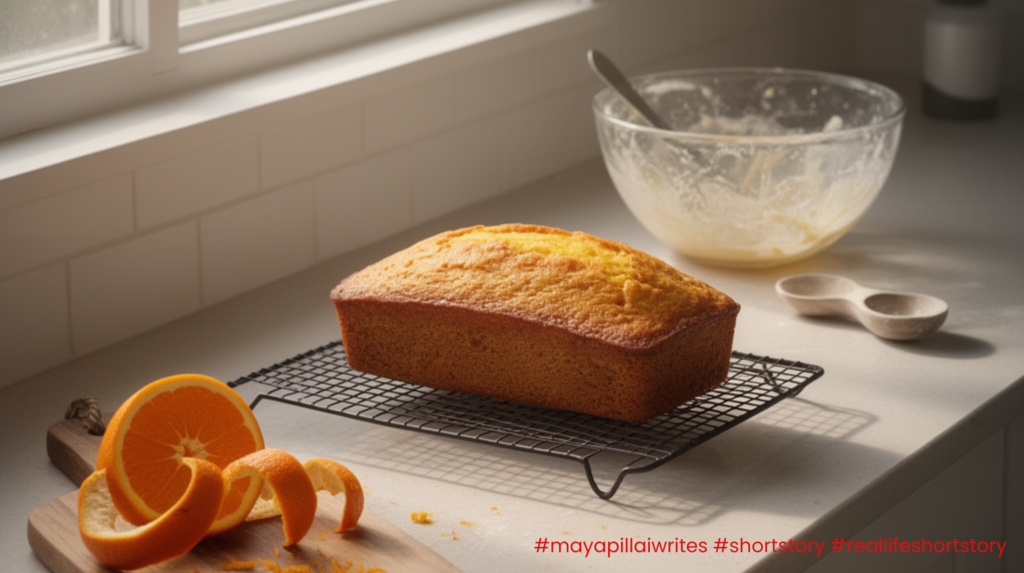
For weeks, the thought of baking an orange cake stayed with me like a small promise I kept postponing. I had already done the practical parts more than once. The flour was measured and kept aside, the other ingredients laid out on the counter, and then, without any clear reason, everything would go back into its place. It wasn’t about time or effort. It was more about a certain reluctance that settles in when you do not feel fully present. Some days, even gentle plans feel heavier than they should, and it is easier to delay them than to question why you are hesitating. This Monday morning, however, felt quieter and more forgiving. The house was still wrapped in early light, and there was no urgency pressing against the walls. I found myself in the kitchen before the day had a chance to become noisy. There was a calmness in moving slowly, in not rushing through familiar steps. I cut the orange into two-halves horizontally carefully, removed the seeds, gently extracted the white pith and cut them into small, bite-sized pieces. Instead of just using the juice, I decided to blend the whole orange with the peel. There was something comforting about not stripping the fruit down to only what was “necessary,” but allowing its bitterness and fragrance to become part of the cake. I am not a great baker, and I have never claimed to be one. I am comfortable with simple cakes and familiar recipes, and this orange cake was one of them. Still, I kept putting it off. Not because it was difficult, but because I tend to overthink even small things when I step into the kitchen. This time, I chose to stop waiting for the perfect mood and just begin. Recipe: Whole Orange Cake (With Peel) Ingredients 1½ cups all-purpose flour ¾ cup sugar 2 eggs ½ cup oil or melted butter 1 whole orange, seeds removed and cut into small pieces (use the peel) 1 tsp baking powder ½ tsp baking soda 1 tsp vanilla extract A pinch of salt Method Preheat the oven to 180°C (350°F) and grease a small baking tin. Add the orange pieces with peel, eggs, sugar, oil or melted butter, and vanilla extract to a blender. Blend until smooth. In a separate bowl, combine the flour, baking powder, baking soda, and salt. Gently fold the blended orange mixture into the dry ingredients until just combined. Do not overmix. Pour the batter into the prepared loaf tin and smooth the top lightly. Bake for 30 to 35 minutes, or until a toothpick inserted into the center comes out clean. Let the cake cool slightly before slicing. I set the timer and stepped away from the oven, telling myself I would not hover over it the way I usually do. The quiet ticking in the background became a soft reminder that something was in progress, even when I wasn’t actively doing anything. There was comfort in letting time do its work, in trusting that the cake would be ready when it was ready, without me checking every few minutes.Once the kitchen began to fill with a warm, citrus scent, the space felt different. The smell was not sharp or overpowering, but soft and steady, the kind that makes a home feel lived in, even on an ordinary weekday morning. I stood there for a while, not out of impatience, but because it felt good to be in that moment without rushing toward the next thing.When the cake was finally done, it came out with gentle cracks on the top and a softness that showed when I pressed lightly against it. It was not perfect, but it was honest, and that felt right for the morning I was having. Cutting into it while it was still warm, I felt a small but real sense of happiness. Not the kind that comes with big achievements, but the quieter kind that follows through on a small intention you had been carrying for a while.There are days when we wait for the right mood to arrive before we begin anything. We tell ourselves we will bake when we feel inspired, write when we feel motivated, and rest when we feel less guilty about resting.But this morning reminded me that the mood often follows the action, not the other way around. I did not wake up feeling especially enthusiastic about baking. I simply started. Somewhere between washing the orange and watching the cake rise in the oven, the heaviness eased. It did not fix everything, but it made the morning gentler. Sometimes, that small shift is all we need. FAQs Is this orange cake recipe beginner-friendly?Yes. The recipe is simple and works well even if you are not an experienced baker. It uses basic ingredients and does not require any advanced techniques.Can I make this orange cake without a blender?You can. If you do not have a blender, you can use fresh orange juice and finely grated zest instead of blending the whole orange. The texture will be slightly different, but the cake will still turn out soft and fragrant.Does using the orange peel make the cake bitter?Using the peel adds a gentle depth of flavor. If your oranges are very thick-skinned or bitter, you can remove part of the white pith to keep the taste balanced.What tin works best for this orange cake?A loaf tin works well for this recipe, but you can also use a small round cake tin. Baking time may vary slightly depending on the size and depth of the pan.How should I store the orange cake?Once cooled, you can store the cake in an airtight container at room temperature for a day or two. If you want it to last longer, keep it refrigerated and warm a slice before eating.