
The 5 A’s of Content Writing
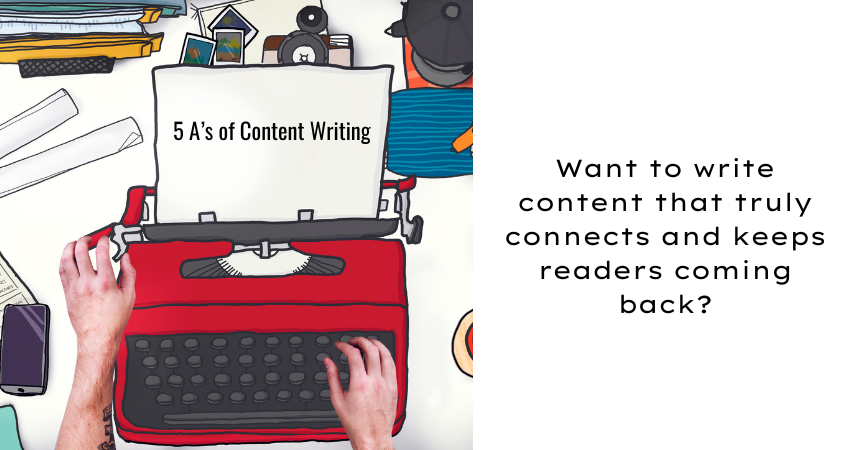
Ever wondered what makes some content stick in your mind while others just fade away? The answer lies in mastering a few key principles. Whether it’s a blog post, a social media caption, or even a product description, the 5 A’s of content writing – Audience, Authenticity, Accuracy, Attractiveness, and Actionability – can help you create content that resonates and makes an impact. Let’s dive into each one and see how these simple ideas can transform your writing. 1. Audience Before you even think about typing a word, ask yourself: Who am I talking to? Understanding your audience is the foundation of great content. Think about what they care about, what they’re struggling with, and what kind of tone would make them feel seen. For example, if you’re writing for young parents looking for baby gear, they’ll appreciate a friendly, empathetic tone. On the other hand, business owners reading about cybersecurity might prefer a more straightforward, knowledgeable voice. It’s all about speaking their language. Quick Tip: Picture one person in your audience and write as if you’re speaking directly to them. It’ll make your content feel more personal and relatable. 2. Authenticity Let’s be honest – nobody enjoys content that feels fake or overly polished. People crave authenticity. They want to feel like they’re hearing from a real person, not a faceless brand. Being authentic doesn’t mean oversharing or being unprofessional. It simply means staying true to your voice and values. Share your perspective, admit what you don’t know, and don’t be afraid to sound human. Readers will appreciate the honesty. Quick Tip: Write the way you talk. It’s okay if it’s a little informal – that’s what makes it real. Just make sure it still fits your audience’s expectations. 3. Accuracy Nothing ruins trust faster than inaccurate information. If you’re making claims, back them up. If you’re using stats, double-check your sources. Accuracy shows that you respect your audience’s time and intelligence. For example, if you’re writing about health tips or tech solutions, always link to reputable sources or explain where your data comes from. It’s not just about being right; it’s about showing your readers they can rely on you. Quick Tip: When in doubt, fact-check. A quick Google search can save you from spreading misinformation and damaging your credibility. 4. Attractiveness Let’s face it – nobody wants to read a wall of text. How your content looks is just as important as what it says. Break it up with short paragraphs, bullet points, and headers. Add a splash of visuals like images or infographics to keep things interesting. Think of it this way: You’re guiding your reader through a journey. Make it enjoyable, not overwhelming. Quick Tip: Before hitting publish, step back and skim your content. Does it look inviting? If not, tweak it until it feels like something you’d want to read. 5. Actionability Every piece of content should leave your reader with something to do. Whether it’s subscribing to your newsletter, downloading a resource, or simply thinking about a topic differently, actionable content makes an impact. A good Call-to-Action (CTA) is clear and to the point. Think phrases like “Try it out today,” “Grab your free guide,” or “Join the conversation.” Make it easy for your readers to take that next step. Quick Tip: Don’t overcomplicate your CTA. One clear action is better than a laundry list of options. Wrapping It Up Content writing doesn’t have to be complicated. When you focus on the 5 A’s – Audience, Authenticity, Accuracy, Attractiveness, and Actionability – you’re creating content that truly connects with people. Start by understanding who you’re writing for, keep it real and relatable, double-check your facts, make it easy to read, and leave your readers with something to do. These small steps can make a big difference in how your content is received. Your Turn: Ready to try the 5 A’s? Start with your next blog, email, or post and see how these principles can make your content more engaging and impactful!
How Perfectionism in Writing Holds You Back and What to Do About It

Perfectionism in writing can feel like a heavy-weight. On the surface, it might seem like a positive trait—a sign of dedication to your craft. But in reality, it can hold you back. The pursuit of flawless work often leads to endless revisions, self-doubt, and even procrastination. Here’s the truth: no piece of writing will ever be perfect, and that’s okay. Embracing imperfection is what helps you grow as a writer and, ultimately, create your best work. The Struggle with Perfectionism Perfectionism can sneak into your writing life in subtle ways. Maybe you hesitate to start a project because you feel unprepared. Or you might spend hours rewriting a single paragraph, chasing some unattainable ideal. Perfectionism convinces you that your worth as a writer is tied to how flawless your work appears—and that’s simply not true. This mindset creates a vicious cycle. You avoid taking risks for fear of failure, which means you never fully explore your creative potential. It’s like being stuck in a loop of “not good enough,” and it robs you of the joy that comes with simply putting your thoughts into words. How Perfectionism Hinders Progress Procrastination: The fear of falling short of unrealistic expectations can prevent writers from even starting a project. This “paralysis by analysis” keeps ideas trapped in the mind instead of making their way to the page. Overediting: Perfectionists often fall into the trap of endlessly tweaking sentences and paragraphs. What begins as a draft becomes a never-ending cycle of revisions, turning progress into stagnation. Self-Doubt: The constant pursuit of flawlessness amplifies insecurities, making writers question their talent or ability to create something meaningful. Burnout: Striving for perfection drains emotional and mental energy, leaving writers exhausted and uninspired. Over time, this can lead to the dreaded “writer’s block,” where the pressure to perform stifles creativity entirely. 6 Ways to Break Free from Perfectionism The good news is you don’t have to stay stuck. There are practical ways to loosen perfectionism’s grip and rediscover the freedom of writing. Here are some strategies that can help: Focus on Progress, Not Perfection Celebrate small wins. Did you write a paragraph today? Great! Every word you put on the page is progress, and progress is what leads to finished work. See Mistakes as Part of the Process Mistakes aren’t failures; they’re opportunities to learn. Each “flawed” draft is a stepping stone toward something better. Give yourself permission to create messy first drafts. Set Realistic Expectations Forget the idea of perfection. Aim to write something honest, engaging, or thought-provoking. These qualities matter far more to readers than perfection. Adopt a Growth Mindset Writing is a skill you develop over time. Your ability to improve depends on practice, not perfection. The more you write, the better you’ll get. Be Kind to Yourself Treat yourself the way you would a friend. Would you criticize a fellow writer for struggling with a draft? Of course not. Offer yourself the same compassion. Set Deadlines and Move On Deadlines can be your best friend. They force you to finish and let go of a project, even if it feels incomplete. Trust that “good enough” is often exactly what’s needed. Why Imperfection Makes Better Writers Let’s be clear: embracing imperfection doesn’t mean settling for mediocrity. It means giving yourself the freedom to take risks, make mistakes, and grow from them. Some of the most powerful writing comes from moments of vulnerability and authenticity—qualities that can’t shine through if you’re paralyzed by perfectionism. Think of your favorite books. Chances are, they weren’t born perfect. They were revised, reshaped, and polished over time. What makes them resonate is not their perfection, but the humanity in their pages. The same can be true for your work. To Wrap Up Perfectionism in writing might feel like an obstacle, but it doesn’t have to stop you. By focusing on progress and letting go of the need to be flawless, you can reclaim the joy of writing. Every writer—from beginners to seasoned pros—faces moments of doubt. What sets successful writers apart is their ability to keep going. So, give yourself permission to write boldly, make mistakes, and learn along the way. The world doesn’t need perfect writers; it needs real, authentic voices. And yours is one worth sharing. Are you looking for a writer who can transform ideas into impactful content that resonates with your audience? Let’s collaborate to craft authentic stories that drive results. Contact me today to take your content to the next level!
10 Mistakes Freelance Writers Make
Let’s be honest—freelance writing can feel like a juggling act. Between finding clients, meeting deadlines, and producing top-notch work, it’s easy to slip up. Whether it’s undervaluing your time or rushing through edits, every writer makes mistakes. But here’s the thing: those mistakes aren’t career-ending. They’re opportunities to learn and grow. If you’ve ever felt stuck or frustrated in your freelance writing journey, you’re not alone. Let’s unpack 10 common mistakes freelance writers make and how you can avoid them. 1. Saying Yes to Every Project Freelance writers often feel pressured to say “yes” to every opportunity, especially when starting out. But taking on every project can leave you overwhelmed, overworked, and, frankly, uninspired. Not every job will align with your skills or interests, and that’s okay. The solution? Take a step back and evaluate each opportunity. Does the project excite you? Does it pay fairly? If not, it’s better to politely decline than to burn out on work that doesn’t fulfill you. 2. Undercharging for Your Work Many freelance writers struggle with pricing their services. It’s tempting to lowball your rates to land a client, but that often backfires. Charging too little not only undervalues your expertise but can also leave you stressed about making ends meet. Instead, research what other writers in your niche charge and confidently set rates that reflect your skills. Remember, your time and talent are worth it. 3. Miscommunicating with Clients Clear communication is the backbone of any successful project. Without it, misunderstandings can crop up, leaving both you and your client frustrated. It’s easy to assume you know what the client wants, but assumptions often lead to mistakes. Always ask questions, clarify details, and provide updates throughout the project. Clients appreciate writers who take the time to get things right. 4. Missing Deadlines We’ve all been there—biting off more than we can chew and scrambling to finish on time. Missing deadlines, though, can harm your reputation and damage client trust. To avoid this, get real about how long a project will take. Use tools like Google Calendar to keep track of deadlines and break the work into manageable chunks. And if life throws you a curveball? Communicate with your client right away. They’ll value your honesty. 5. Skipping the Editing Phase You’ve just finished a draft, and the temptation to hit “send” is strong. But skipping the editing phase is one of the biggest mistakes a freelance writer can make. Even small typos can leave a bad impression. Make editing non-negotiable. Take a short break before revisiting your draft with fresh eyes, and use tools like Grammarly or Hemingway to catch errors. The extra effort goes a long way. 6. Avoiding Self-Promotion If promoting yourself feels awkward, you’re not alone. Many writers hesitate to market their skills, relying instead on job boards or word-of-mouth. But avoiding self-promotion limits your growth. A strong online presence—like a polished LinkedIn profile or a personal website—can showcase your expertise and attract the right clients. You don’t need to brag; just share your work and let it speak for itself. 7. Forgetting to Use Contracts Skipping contracts might save time upfront, but it can lead to headaches later. Without clear terms, you risk payment issues, scope creep, or even losing control of your work. Protect yourself and your clients by always using a simple contract. It doesn’t need to be fancy—just outline what you’re delivering, when, and for how much. 8. Trying to Be a Jack-of-All-Trades Many freelance writers try to cover every topic under the sun, thinking it will make them more marketable. But being a generalist often makes it harder to stand out. Clients look for specialists who understand their industry. Find a niche you’re passionate about—whether it’s tech, travel, or parenting content—and focus on building your expertise there. You’ll not only attract better-paying clients but also enjoy the work more. 9. Taking Feedback Personally Let’s face it—receiving feedback can sting. Writing is personal, and criticism can feel like a direct attack on your skills. But taking feedback personally only holds you back. Instead, view it as an opportunity to improve. Ask yourself, “What can I learn from this?” Applying constructive feedback helps you grow and build stronger client relationships. 10. Neglecting Professional Growth Freelance writing isn’t a “set it and forget it” career. Trends evolve, and clients expect writers to keep up. If you’re not actively improving your skills, you risk falling behind. Dedicate time to learning, whether it’s through online courses, books, or webinars. Staying curious and adaptable ensures you stay competitive in the industry. To Wrap Up Mistakes are a natural part of any journey, and freelance writing is no exception. What matters most is how you respond to them. By recognizing these common pitfalls and taking proactive steps to avoid them, you’ll set yourself up for long-term success. Remember, it’s okay to make mistakes—they’re opportunities to learn, grow, and become an even better writer. So, which mistake will you tackle first? Looking for a writer who can bring your brand’s voice to life? I’d love to help. Let’s talk about your project and create content that works as hard as you do!
What Makes Great Writing Truly Stand Out
Great writing goes beyond perfect grammar and clear structure. It creates an experience that lingers in the reader’s mind long after they’ve finished reading. While good writing serves its purpose by presenting information in a clear and polished manner, great writing does so much more—it connects, captivates, and leaves a lasting impact. Let’s uncover what sets exceptional writing apart and how you can craft work that truly resonates. The Difference Between Good and Great Writing At its core, good writing is dependable. It gets the point across, keeps the reader interested, and avoids unnecessary fluff. Think of good writing as the sturdy bridge that takes you from point A to point B without any hiccups. It’s the blog post that explains a concept clearly, the email that communicates effectively, or the story that entertains. Now, great writing? It’s the kind of bridge that makes you stop halfway, admire the view, and remember the journey forever. It doesn’t just deliver—it leaves an imprint. Great writing doesn’t settle for being understood; it aims to be felt. Here’s the breakdown. Good writing is functional: It informs, explains, or entertains. Great writing is emotional: It engages, inspires, and lingers in the mind. Good writing serves a purpose: It’s clear and concise. Great writing transcends purpose: It tells a story, creates a connection, and sparks thought. Simply put, good writing does its job well, but great writing transforms the ordinary into something unforgettable. Why the Difference Matters The digital landscape is overflowing with content, yet only a small fraction truly leaves a mark. The difference between good and great writing often becomes the tipping point for lasting impact. Readers aren’t just looking for information—they’re searching for authenticity, creativity, and a connection that feels real. Good writing can get you noticed. It might grab a moment of attention, perhaps even a nod of approval. But great writing? That’s what builds trust. It’s the kind of writing that stays with readers, earning their loyalty and inspiring action. It has the power to influence perspectives, spark conversations, and create lasting bonds. Think about the books, articles, or blogs you hold close to your heart. They weren’t just grammatically correct or well-structured—they spoke to you. They had that spark, that rare quality that moved you, made you think, or even changed your outlook. They were more than words; they were an experience. This is the essence of great writing. It challenges the writer to dig deeper, to bring their truest self into their work, and to create something that resonates. Every writer, no matter where they are in their journey, has the potential to close the gap between good and great. The question is: Are you ready to take that step? How to Transition from Good to Great Focus on Your Audience: Great writing starts with understanding who you’re writing for. What moves them? What do they value? Add Personality: Don’t just stick to the facts. Infuse your writing with your unique voice and perspective. Prioritize Emotion: Think beyond what your readers need to know—ask yourself what you want them to feel. Refine Relentlessly: Great writing often starts as good writing, shaped and polished through thoughtful editing. The Writer’s Journey Every writer has the potential to move from good to great. It takes curiosity, effort, and a willingness to push boundaries. Great writing isn’t just about the words on the page—it’s about the energy, emotion, and authenticity behind them. As you reflect on your own work, ask yourself: Is this just delivering information, or is it creating an experience? The answer to that question could be the first step in your journey to becoming the writer you’ve always wanted to be. Ready to Create Something Great? Great writing doesn’t just happen—it’s crafted with care and purpose. If you’re looking for content that connects, inspires, and drives results, let’s collaborate. Whether you need compelling blogs, engaging web copy, or content that speaks directly to your audience, I can help. Let’s create something unforgettable together! Let’s Talk Because the world is full of good writing. Let’s make yours great. Good writing informs; great writing transforms and lingers.
Tips to Write a Short Story in 1500 Words
Writing a short story in 1500 words is a challenge that tests your creativity and precision. The beauty of short fiction lies in its brevity—it captures a moment, an emotion, or a transformation in just a few pages. It’s like crafting a snapshot of life that resonates deeply, all while staying concise. But here’s the tricky part: how do you deliver an unforgettable story within such a tight limit? If you’ve ever felt stuck while trying to fit an entire world into a handful of paragraphs, you’re not alone. Many writers struggle with balancing detail and brevity, but with the right approach, you can create a masterpiece that stays with your readers long after the last word. This blogpost will walk you through actionable tips to write a compelling short story in 1500 words or less—without sacrificing creativity or impact. 1. Anchor Your Story with a Strong, Singular Concept Every great story starts with a compelling idea. The key to writing a short story is to keep your focus razor-sharp—there’s no room for sprawling plots or endless backstories. Zero in on One Theme or Event: Ask yourself, “What’s the essence of this story?” Whether it’s a moment of redemption, a life-changing decision, or an unexpected encounter, choose one central idea and build around it. Example: Instead of writing about a character’s entire journey, focus on the moment they decide to leave their small town or confront an old friend. Relatable Meets Unique: The best stories feel universal yet fresh. Tap into emotions your readers can connect with—love, loss, fear—but frame them in an unexpected way. Example: A story about unspoken love might center on a woman writing a letter she never intends to send. Your concept is the heart of the story. Once you have it, everything else will naturally fall into place. 2. Let Your Characters Speak Volumes with Fewer Words In a short story, your characters need to feel real and memorable—quickly. With limited space, every detail about them has to pull its weight. Focus on One or Two Key Characters: You don’t need an ensemble cast. A protagonist and maybe one supporting character are enough to drive your narrative. Show, Don’t Tell: Instead of saying, “John was shy,” let his actions reveal his personality. Maybe he hesitates before knocking on a door or avoids eye contact during a tense conversation.Details That Define: Use a single vivid detail to make a character come alive. A worn leather jacket, a nervous tick, or a tendency to hum under their breath can make them unforgettable. 3. Start in the Middle of the Action Readers don’t have time to wade through paragraphs of setup in a short story. Grab their attention from the very first line. In Media Res: This Latin phrase means “in the middle of things.” Drop your readers right into the story’s most interesting moment. Example: Instead of, “It was a rainy day, and Jane was feeling restless,” try, “The knife clattered to the floor as Jane slammed the door shut, her breath ragged.” Hook Them with the First Line: Your opening sentence is your chance to intrigue, shock, or delight your reader. A question, an action, or a bold statement works wonders. Example: “They always said the house was haunted, but no one told me it would laugh.” 4. Structure Your Plot for Maximum Impact Even in a short story, you need a clear beginning, middle, and end. But brevity means cutting straight to the core. Classic Story Arc: Stick to this framework: Setup: Introduce your protagonist and their world. Conflict: Present the problem or decision they must face. Climax: Deliver the emotional or narrative peak. Resolution: Wrap up the story with a sense of closure—or leave the reader wondering. Trim the Fat: Every scene should serve a purpose. If a paragraph doesn’t reveal something important about the character, setting, or plot, cut it. 5. Use Descriptive Language to Create Atmosphere Good descriptions don’t just paint a picture—they evoke emotion. In a short story, they also save space by doing double duty. Show More, Tell Less: Instead of saying, “The room was cold,” describe the frost on the windows or the character’s breath turning to mist. Lean on the Senses: What does the character see, hear, smell, or feel? Sensory details create vivid, immersive scenes. Example: “The coffee shop smelled of burnt toast and cinnamon, a strange comfort on a winter morning.” Be Concise but Evocative: Descriptive language should enrich the story, not weigh it down. A single metaphor can convey an entire mood. 6. Make Dialogue Work Harder Dialogue is a powerful tool in short stories, but it has to earn its place. Every word should reveal something important. Keep It Realistic: Your characters should sound like real people, but without the “um” and “uh” filler of actual conversations. Advance the Plot: Don’t let dialogue meander. Each line should add depth to the character, hint at backstory, or escalate tension. Example: Instead of “Hi, how are you?” try “I thought you’d never come back.” Use Subtext: Let your characters say one thing but mean another. It adds complexity and intrigue. Example: “It’s fine,” she said, her hand gripping the table edge until her knuckles turned white. 7. End with a Bang (or a Whisper) The ending is where your short story leaves its lasting mark. Aim for something memorable. Resolution Doesn’t Mean Closure: Your story can wrap up without answering every question. Sometimes, ambiguity keeps readers thinking. Example: “He watched her walk away, the letter still crumpled in his pocket.” Deliver an Emotional Punch: Whether it’s joy, sorrow, or surprise, the ending should resonate deeply. Consider a Twist or Revelation: A well-executed twist can elevate your story, but it should feel earned—not gimmicky. 8. Edit Like Your Story Depends on It (Because It Does) Once you’ve written your story, the real work begins: Cut Ruthlessly: Every sentence, word, and comma must serve a purpose. Tighten your prose until it feels lean and impactful. Read Aloud:
Content Writing vs. Copywriting: Understanding the Differences and Opportunities

As a writer, I’ve often found myself caught between content writing and copywriting. At first, they felt like two sides of the same coin—just words on a page, right? But then I noticed how some words made people feel informed and inspired, while others had them ready to click that “Buy Now” button. If you’ve ever wondered why that is, you’re not alone. Content writing vs copywriting serve very different purposes, yet both are essential in today’s digital landscape. Let’s dive into what makes each unique—and how understanding the difference could unlock new opportunities for you or your business. What is Content Writing? Content writing is about creating informative and engaging content meant to educate, entertain, or inspire readers. The primary goal is to provide value and build a long-term relationship with an audience. Content writing vs copywriting can take many forms, including: Blog posts Articles Social media content E-books and whitepapers How-to guides and tutorials Good content writing focuses on quality, relevance, and delivering information that resonates with the audience. It often incorporates SEO (Search Engine Optimization) practices to improve visibility and drive organic traffic to a website. The tone of content writing can vary, but it generally leans towards being informative, engaging, and authentic. Example of Content Writing: A blog post titled “10 Tips for Writing Engaging Instagram Captions” offers practical tips and strategies to help readers enhance their social media game. What is Copywriting? Copywriting, on the other hand, is about persuasion. It aims to get readers to take immediate action, such as making a purchase, signing up for a newsletter, or clicking a link. It’s short, punchy, and emotionally compelling, often found in: Ad copy Sales pages Email marketing campaigns Product descriptions Landing pages Copywriters are experts at crafting words that sell. They understand human psychology and how to trigger emotions to influence behavior. Unlike content writing, which educates or entertains, copywriting is purely results-driven. Example of Copywriting: An email subject line that reads, “Unlock 20% Off Your First Order—Today Only!” encourages readers to take advantage of a limited-time offer. Key Differences Between Content Writing and Copywriting Purpose: Content writing informs, educates, or engages to build trust and brand authority over time. Copywriting persuades and drives readers to take immediate action, like making a purchase or signing up. Tone and Style: Content writing is generally longer and more informative, with a focus on delivering value. Copywriting is concise, punchy, and emotionally engaging. SEO and Marketing: Content writers often work on SEO strategies to improve a website’s organic search ranking. Copywriters focus on creating high-converting text for ads, landing pages, and email campaigns. Audience Engagement: Content writing aims for engagement and interaction over the long term. Copywriting seeks to provoke an immediate response from the audience. Opportunities for Writers Understanding the differences between content writing vs copywriting opens up diverse opportunities for writers. Here’s how: Diversify Your Skills: Mastering both disciplines can make you a more versatile writer, able to take on a wider range of projects. Increased Earning Potential: Copywriting, especially, is a lucrative skill due to its direct impact on sales and conversions. Many businesses are willing to invest heavily in persuasive copy that drives results. Work with a Variety of Clients: Content writing can lead to long-term gigs, while copywriting often brings high-value, short-term projects. Both can be rewarding in their own ways. Explore Different Industries: From tech startups to lifestyle brands, both writing types are needed across various sectors, giving writers endless possibilities to explore their interests. Opportunities for Businesses For businesses, understanding these differences can help allocate resources more effectively. If the goal is brand awareness and education, invest in content writing. A well-written blog strategy or thought leadership article can drive consistent traffic and establish authority in your niche. If the aim is to boost sales or lead generation, focus on copywriting. Compelling ad campaigns and landing pages with a clear call-to-action (CTA) are critical for converting leads into customers. To Wrap Up Both content writing and copywriting are powerful tools in the digital landscape, but they serve different roles. While content writing builds trust and long-term relationships, copywriting drives action and sales. By understanding these nuances, writers can refine their craft, and businesses can harness the power of words more effectively. Whether you’re a writer seeking to expand your portfolio or a business owner deciding on your marketing strategy, recognizing the strengths of each type can lead to better outcomes. So, which one will you focus on next?. Ready to Make Your Words Work for You? The insights shared in this article are only the tip of the iceberg when it comes to mastering the art of content writing vs copywriting. As a writer or business owner, you might be searching for that secret formula that makes words stick—whether your aim is to engage, educate, or drive sales. Maybe you’ve been struggling to distinguish between content that builds long-term trust and copy that drives immediate action. Or perhaps you’re unsure which approach will best serve your brand’s goals and connect with your audience on a deeper level. Here’s the good news: You’re in the right place to unpack the power of words and how they can transform your brand presence. Content writing vs copywriting isn’t just a choice; it’s a strategic decision that can: Build meaningful relationships with readers who find value in what you share. Compel prospects to take action, whether that means subscribing, purchasing, or joining your community. Elevate your brand by blending information with emotion, making your message memorable. Whether you want to use content to establish authority or persuasive copy to boost conversions, understanding both is crucial. Ready to level up your communication game and get your words to work harder for you? Let’s craft writing that doesn’t just inform but engages, persuades, and drives results. Get in touch, and together, we’ll ensure your content or copy hits the mark every time.
How to Use Storytelling to Write Engaging Instagram Captions

Imagine scrolling through your social media feed and pausing at a post that doesn’t just inform but resonates deeply, evoking emotions and sparking a connection. This is the power of storytelling captions. Unlike regular captions that merely present facts, storytelling captions weave narratives that engage your audience on a personal level, transforming passive scrollers into active participants in your brand’s journey. Crafting compelling storytelling captions doesn’t require an advanced degree or mastery of language. Storytelling is a powerful tool to authentically connect with your audience on platforms like Instagram, Threads, and others, allowing you to share your message without appearing overly promotional. By the end of this article, you’ll have the tools to create storytelling captions that resonate with your followers, driving engagement and enhancing your brand’s presence. Understanding the Difference Between Storytelling Captions vs. Regular Captions The key distinction between storytelling captions and regular ones lies in their immersiveness. Regular captions typically present facts and highlight pain points to prompt action. Storytelling offers a more empathetic and ethical approach to addressing challenges, helping readers envision solutions and inspiring them to take action. Purpose and Engagement: Regular Captions: Primarily convey information or describe the accompanying image or video. Storytelling Captions: Aim to evoke emotions, share experiences, or narrate a story, fostering a deeper connection with the audience. Content Depth: Regular Captions: Often brief and straightforward, providing essential details without much elaboration. Storytelling Captions: Offer more depth by sharing personal anecdotes, insights, or narratives that add context to the visual content. Emotional Appeal: Regular Captions: Focus on factual information, which may not elicit a strong emotional response. Storytelling Captions: Designed to tap into the reader’s emotions, making the content more memorable and impactful. Audience Connection: Regular Captions: Provide necessary information but may not engage the audience on a personal level. Storytelling Captions: Encourage readers to relate to the content, fostering a sense of community and shared experience. Call to Action (CTA): Regular Captions: May include direct CTAs, prompting immediate actions like clicking a link or making a purchase. Storytelling Captions: Incorporate subtle CTAs, inviting readers to reflect, share their own stories, or engage in a conversation. Brand Voice and Personality: Regular Captions: Maintain a consistent tone aligned with the brand but may lack personal flair. Storytelling Captions: Allow the brand’s personality to shine through, showcasing authenticity and building trust. By integrating storytelling into your captions, you can create more engaging and relatable content that resonates with your audience, encouraging interaction and fostering loyalty. Tips for Writing Impactful Storytelling Captions Creating an engaging caption isn’t about length; it’s about capturing the emotional essence of the story. Here are some actionable tips to craft concise yet compelling storytelling captions: Embrace Brevity Social media users often scroll quickly, so keep your captions short and simple. Focus on the pivotal moment or transformation that will resonate most with your audience. Highlight the Emotional Core Instead of detailing an entire client success story, concentrate on the “aha” moment or the feeling of transformation. Example: “Imagine never worrying about an algorithm update affecting your engagement again. My client, Susie, describes it in one word: ‘Peaceful.’ Just a few months ago, she felt overwhelmed…” Incorporate Sensory Details Describing physical sensations associated with emotions (e.g., “My chest tightens with anxiety”) helps readers connect more deeply, making the story immersive and relatable. Enhance Readability Use short paragraphs and vary sentence lengths to improve readability. Include pauses, such as “…” to build suspense, and consider using emojis to add visual interest. Three Storytelling Frameworks for Instagram Captions You don’t need to be a wordsmith to create engaging storytelling captions. Here are three versatile frameworks to enhance your storytelling across various formats, including captions, newsletters, and video scripts. 1. SOAR (Situation, Obstacle, Action, Result) The SOAR framework is effective for highlighting how you or a client overcame a challenge, focusing on transformation. Situation: Describe the context. Obstacle: Identify the challenge. Action: Explain the steps taken. Result: Share the positive outcome. Example: “I used to spend hours creating content that felt flat and uninspired. I wasn’t connecting with my audience. Then, I shifted to storytelling. I shared personal anecdotes, client successes, and behind-the-scenes insights. Engagement soared, and my audience resonated with my message like never before.” 2. Before-After-Bridge (BAB) The BAB framework is ideal for illustrating transformation, showing readers how your approach can make a difference. Before: Describe the challenge or situation. After: Paint a picture of life after the transformation. Bridge: Explain how your approach or service facilitated the change. Example: “I used to feel overwhelmed by the constant changes in social media algorithms. It seemed impossible to keep up. Now, I confidently create content that engages my audience, regardless of algorithm shifts. The turning point was adopting a storytelling approach that focuses on authentic connection.” 3. Star, Chain, Solution (SCS) The SCS framework is effective for creating intrigue and guiding the reader toward your solution. Star: Start with an attention-grabbing statement or anecdote. Chain: Connect this with a relevant challenge or pain point. Solution: Introduce your product or service as the solution. Example: “This morning, I received a message from a client saying, ‘Your content strategy has transformed our engagement rates!’ Many businesses struggle to connect with their audience in a meaningful way. That’s why I specialize in crafting storytelling content that resonates and drives results.” By implementing these frameworks and tips, you can create storytelling captions that not only engage your audience but also subtly highlight the value of your services. Remember, storytelling is more than a marketing tactic; it’s a way to build genuine connections and inspire action. Ready to Make Your Story Connect with your Audience? The frameworks and tips shared here are just the beginning. Storytelling in marketing extends far beyond crafting captions. Perhaps you’re struggling to articulate your value proposition in a way that resonates. Or you’re uncertain about which stories to share and whether they’ll captivate your audience. Rest assured, you’re in the right place to discover and convey the narratives that
7 Healthy Habits for Writers to Find Success

Writing isn’t just about stringing words together; it’s a way of life. Some days the words come easily, and other days even opening the laptop feels like a victory. We’ve all been there—juggling ideas, projects, deadlines, and the constant tug of inspiration that seems to show up whenever it pleases. But the truth is, success as a writer doesn’t just happen. It’s built slowly through small, intentional habits. Whether you’re just starting out or have years of experience, developing healthy routines will make your writing journey more rewarding and productive. Here are seven habits that have made all the difference for me—and they might do the same for you. Write Every Day The simplest advice is often the hardest to follow—write every day. Even if it’s just for a few minutes, commit to putting words on the page regularly. Not every day will feel inspired, but consistency builds momentum. One thing that helps me is preparing beforehand. I organize my ideas, so I don’t waste time deciding what to write when I sit down. If I’m short on time, switching off distractions like the TV or phone makes all the difference. Action Tip: Keep multiple projects going. When one stalls, move to another. It keeps the words flowing and helps avoid writer’s block. Cultivate a Routine Routine is the foundation of productivity. Experiment with different times of day to find when you write best—whether it’s morning, evening, or somewhere in between. Structure matters, especially when working from home, so plan regular breaks for meals and movement. Building a habit takes time, but once it’s in place, writing becomes a natural part of the day rather than a task. Action Tip: Test out different routines for a week at a time. Track when you feel most productive and stick to that schedule. Read Broadly and Consistently Reading is essential for improving writing. The more you read, the better you’ll understand what works. Don’t just stick to one genre—explore books, articles, and essays across different subjects. You’ll be surprised at how techniques from other fields can enrich your own writing. Reading every day, even if it’s only for a short time, keeps your mind engaged with language. Making notes on what resonates or doesn’t will sharpen your skills. Action Tip: Set aside time to read each day—maybe before bed—and take notes on what you learn from both good and bad writing. Engage with Other Forms of Media Writing inspiration can come from anywhere, so immerse yourself in different kinds of media. Watch movies, listen to podcasts, and browse blogs. Pay attention to how stories are structured, characters are built, or themes are explored. Even conversations with friends can spark new ideas. This habit not only enhances creativity but also provides fresh perspectives for your writing. Action Tip: Try writing short reviews or opinion pieces about the media you consume. It’s great practice and can also provide content for your blog or social media. Keep a Record of Ideas Ideas can strike at the most unexpected moments. I’ve learned to jot them down immediately, whether it’s a snippet of dialogue or a story concept. Relying on memory is risky, so I keep notes handy—whether in a notebook or a notes app on my phone. Recording these ideas helps me stay prepared for writing sessions, especially on those days when inspiration feels distant. Action Tip: Place a notebook by your bed for night-time thoughts. Many of my best ideas have come when winding down or just waking up. Stay Organized Organization saves time and prevents unnecessary stress. I keep track of everything—drafts, submissions, and deadlines—so I don’t accidentally send the same piece twice or miss an opportunity. Regularly backing up files is also essential to avoid any unpleasant surprises. A simple to-do list can be a game changer. I find that physically writing it down or pinning it somewhere visible makes it easier to follow through. Action Tip: Use a planner or create a task board for your writing projects. It keeps things manageable and helps maintain focus. Set Clear Goals and Reward Yourself Having specific, achievable goals gives writing direction. Whether it’s a daily word count, finishing a draft, or publishing a piece, goals keep things on track. However, it’s not just about writing more—it’s about writing better. I’d rather have a few polished paragraphs than thousands of words that need heavy editing. I’ve also found that small rewards keep me motivated. A favorite snack or a break after meeting a goal makes the work feel more satisfying. Action Tip: Break big goals into smaller tasks and celebrate the small wins along the way. Progress is progress, no matter how small. To Wrap Up Success as a writer isn’t just about talent—it’s about habits. Writing consistently, staying organized, and feeding creativity through reading and media engagement will make you a more dynamic and productive writer. Remember, the journey is just as important as the destination. Stay curious, stay committed, and enjoy the process. So, what small change will you make today to strengthen your writing habit?
9 Unique Traits of Writers Who Communicate Better in Writing

Writers who communicate better in writing than speaking often find a unique power in the written word, allowing them to express their thoughts and emotions in a way that spoken language sometimes cannot capture. As a passionate writer, I’ve often wondered why some of us find solace and strength in the written word while grappling with the spontaneity of verbal communication. This exploration has revealed nine unique traits that define those who express themselves more effectively through writing than speaking. Each trait not only highlights a different facet of our writing journey but also invites reflection on our creative processes. If you’ve ever felt more at home with a pen in hand, read on to discover what makes your writing voice truly unique. You might find yourself nodding along, realizing that these traits have shaped your own writing style and personal brand. 9 Unique Traits of People Who Express Themselves Better Through writing Deep Observers I tend to notice the subtleties in the world around me—nuances of conversation, body language, and emotions that others might overlook. This attentiveness allows me to capture the essence of a moment in writing, creating vivid imagery and relatable narratives. For instance, a simple coffee shop encounter can transform into a beautifully crafted story that resonates with my readers. Thoughtful Reflectors Before I commit my thoughts to paper, I often spend time reflecting. This trait ensures that my ideas are fully formed and my arguments are compelling. While speaking can lead to spontaneous responses, writing gives me the space to ponder, revise, and refine, turning initial thoughts into polished gems. Intuitive Empathizers My ability to empathize with others enhances my writing. Understanding different perspectives allows me to craft stories and messages that resonate with a diverse audience. It’s this emotional connection that draws readers in, making them feel seen and understood through my words. Wordsmiths at Heart I find joy in the craft of writing—choosing just the right words to evoke emotion or paint a picture. This love for language transforms my thoughts into impactful prose, making the written word my preferred form of expression. Whether it’s a blog post or a personal essay, I relish the opportunity to shape my narrative with care and creativity. Creative Thinkers Imagination fuels my writing. I thrive on weaving together ideas, concepts, and narratives that might seem unrelated at first glance. This creativity empowers me to present information in fresh, intriguing ways that spark interest, transforming even the most mundane topics into compelling reads. Patient Listeners I value listening—whether to others or to my inner voice. By absorbing different viewpoints and experiences, I can enrich my writing with a variety of influences and insights. This trait also allows me to connect with my readers on a deeper level, showing that I understand their needs and concerns. Curious Explorers Curiosity drives me to explore new topics and ideas. This trait not only broadens my knowledge but also enriches my writing, enabling me to connect with readers on various subjects and keep them engaged. Every piece I write is an opportunity to learn something new, whether about the world or about myself. Detail-Oriented Perfectionists My attention to detail ensures that my writing is polished and precise. I relish the editing process, refining my work until it truly reflects my voice and intent—something that can be challenging in the heat of conversation. This dedication to quality fosters a sense of trust with my readers, who can rely on my work for clarity and insight. Fearless Truth-Tellers Writing gives me the freedom to express my truths without the immediate pressures of a verbal exchange. I can delve into difficult subjects and share my authentic voice, knowing that my words can have a lasting impact. This courage is what sets my writing apart, allowing me to tackle topics that matter to me and resonate with others. To Wrap Up As I reflect on these traits, I realize that they not only shape my writing journey but also connect me with fellow writers and readers. If you see yourself in any of these descriptions, embrace them! Writing is a powerful tool for self-expression and personal branding. By honing these qualities, I continue to grow as a writer, finding my unique voice and carving my niche in the literary world. What about you? Which traits resonate with your own writing style? Share your thoughts in the comments below! And if you found this post inspiring, consider sharing it with your writing community or subscribing for more insights on honing your craft.