
Synopsis
Some words describe strength in motion. Resilient is one of them. It doesn’t imply the absence of difficulty. Instead, it acknowledges strain, disruption, and pressure, and then focuses on the ability to return, adapt, and continue. This word is often used to describe people, systems, and communities that bend without breaking.
Table of Contents
Toggle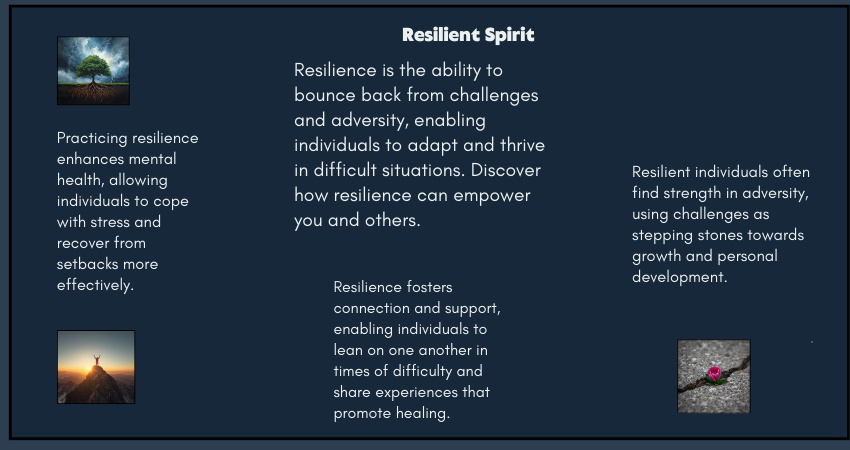
Word of the Day
Resilient
Resilient Meaning
Resilient describes the ability to recover quickly from difficulties or adjust well to change. It refers to emotional strength, structural flexibility, or systemic endurance in the face of stress or disruption.
Word of the Day Pronunciation Guide
ri-ZIL-yuhnt
Word of the Day: Origin and Etymology
The word resilient comes from the Latin resilire, meaning “to spring back” or “to rebound.” Early usage referred to physical objects that could return to their original shape after pressure. Over time, the word expanded to describe human behavior, psychological strength, and later, organizational and societal systems.
Today, resilient is commonly used in professional, academic, and policy-related contexts to describe adaptability rather than invulnerability.
Resilient: Synonyms and Antonyms
Synonyms:
Adaptable, strong, flexible, durable, hardy
Antonyms:
Fragile, vulnerable, brittle, weak, rigid
Resilient Usage in Sentences: Across Genres
In Journalism:
The city proved resilient after repeated infrastructure failures.
In Political Analysis:
A resilient economy can absorb shocks without long-term damage.
In Academic Writing:
The study highlights the importance of resilient systems in uncertain environments.
In Literature:
She was resilient, shaped by loss but not defined by it.
In Travel Writing:
The resilient coastal villages rebuilt themselves after every storm.
In Legal Commentary:
The court emphasized the need for resilient legal frameworks during crises.
Why Resilient Is Worth Knowing
Resilient is valuable because it shifts focus from resistance to recovery. It allows writers to acknowledge difficulty without framing it as defeat. In writing, this word is especially useful when describing long-term processes, whether personal, professional, or institutional. It avoids exaggeration while still conveying strength.
For writers, resilient also applies to the creative process itself. Drafts fail. Ideas stall. Feedback can unsettle confidence. Resilience is what allows a writer to revise, rethink, and return to the page without losing direction.
Resilient in Modern Context
In recent years, resilient has become central to conversations around mental health, workplaces, climate change, education, and technology. It is often used to describe people navigating uncertainty, businesses adapting to market shifts, and communities responding to crises.
In professional settings, resilience is no longer framed as silent endurance. Instead, it includes adaptability, support systems, and the ability to evolve. In digital and creative work, being resilient often means continuing steadily, even when outcomes are delayed or uncertain.
The word has gained relevance because it reflects real-world conditions. Progress today is rarely linear. Resilience recognizes that reality.
FAQs
Is resilient always used in a positive sense?
Yes, resilient generally carries a positive meaning. It emphasizes strength, adaptability, and the ability to recover after challenges.
Can resilient describe systems and organizations, not just people?
Yes. The word is commonly used for economies, institutions, infrastructure, and digital systems that can withstand disruption.
What is the difference between resilient and strong?
Strong suggests resistance to pressure, while resilient emphasizes recovery and adaptability after pressure has been applied.
If you need help with long-form writing, blog content, or editorial pieces, I write at a pace that values thought over haste.